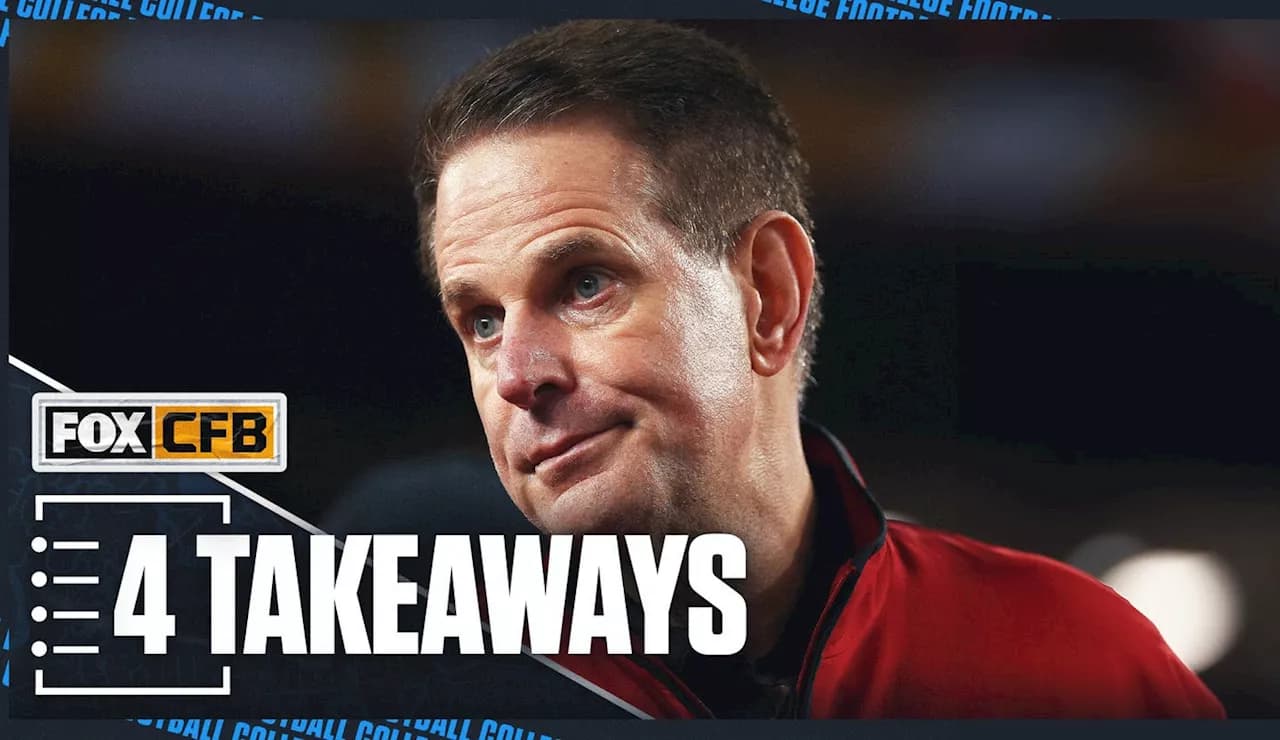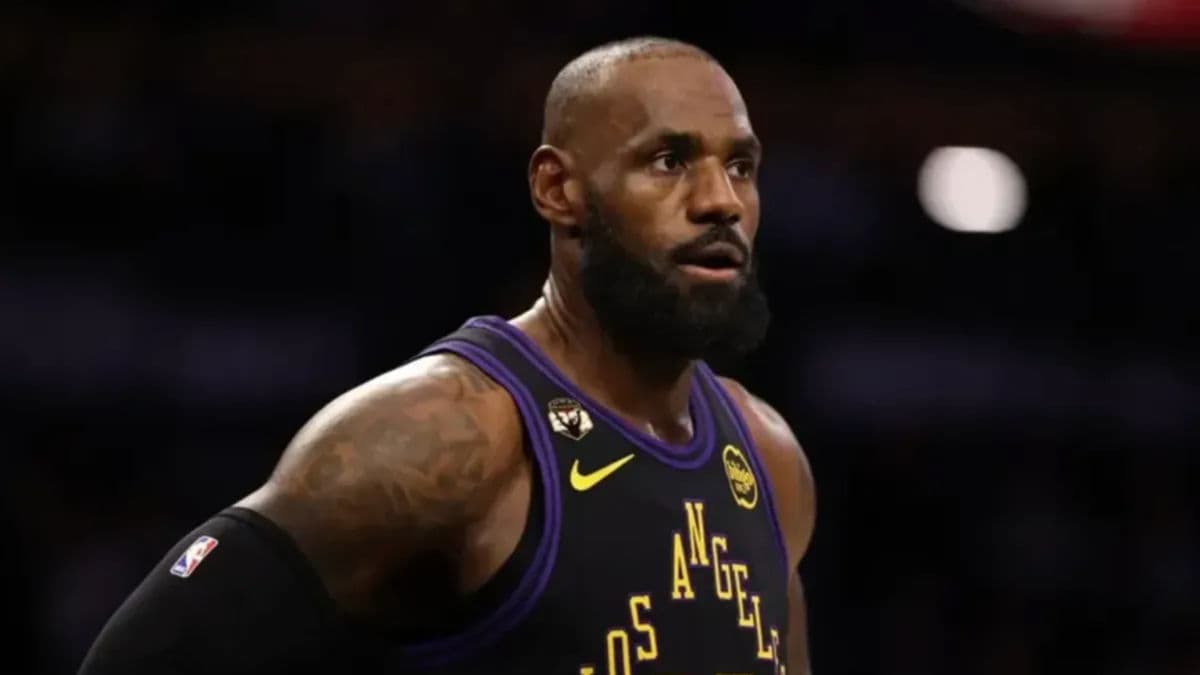
Photo via Deadspin
The mechanics of elite athlete representation offer a masterclass in how intermediaries influence major business transitions. According to reporting on recent free agency developments, questions have surfaced about the alignment of interests between players, their representatives, and the organizations competing for their services. For Miami's business community—home to major sports franchises and a growing sports management sector—understanding these dynamics matters. The clarity (or lack thereof) in representation agreements can significantly impact how deals unfold and whether all parties enter negotiations with aligned expectations.
The role of agencies like Klutch Sports illustrates a broader trend: consolidated power in the hands of a few key players who represent multiple high-value clients simultaneously. This concentration can create conflicts of interest, where an agent's portfolio of clients might influence strategic advice given to individual athletes. Miami-based executives in any industry should recognize this pattern when evaluating their own advisory relationships and ensuring that consultants, agents, and representatives operate with transparent incentive structures.
Trust in business relationships depends on clear communication and documented agreements about whose interests take priority. Whether in sports management or corporate settings, the lesson is clear: organizations and individuals negotiating major decisions should verify that their representatives' incentives align with their own goals. For Miami's growing business ecosystem, particularly in real estate, finance, and emerging industries, these principles around accountability in representation deserve careful consideration.