Photo via Headtopics
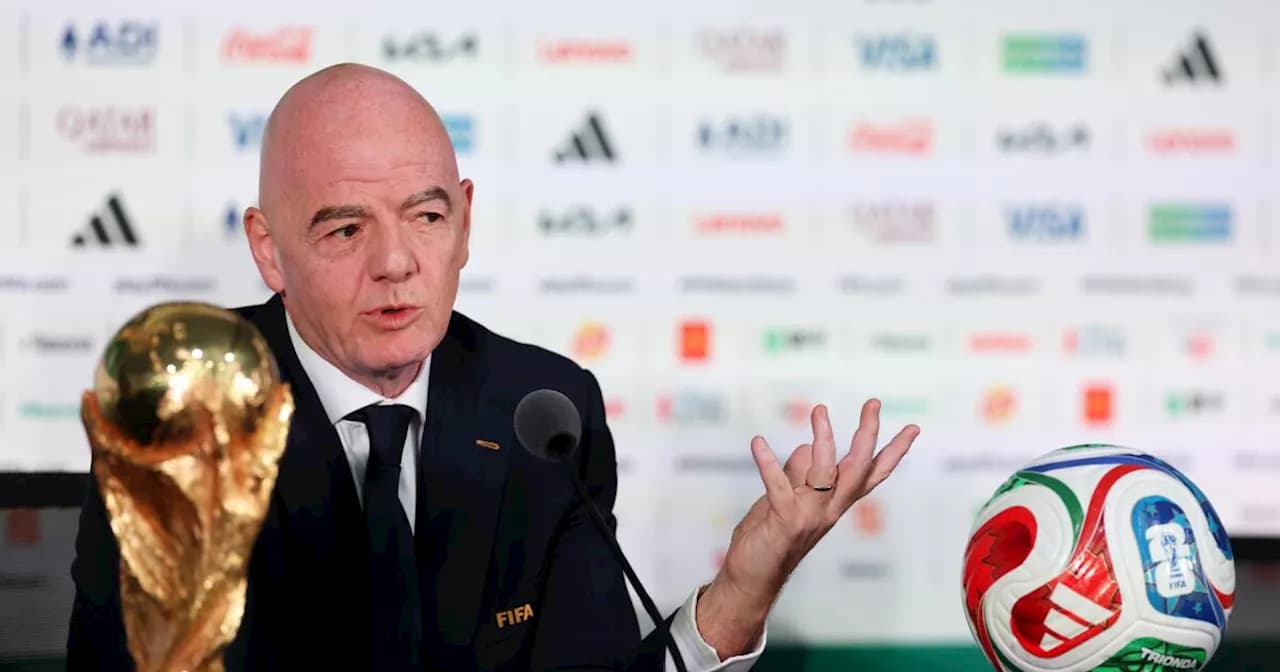
According to reporting from Headtopics, FIFA President Gianni Infantino's presidency faces serious credibility challenges following his abandoned effort to sell a private equity stake in World Cup broadcasting and commercial rights. The secretive nature of the negotiations, combined with the eventual public exposure, has drawn widespread international criticism from stakeholders across the sports, media, and investment sectors. For Miami's robust sports business community—which includes major franchises, event management firms, and sports marketing agencies—the controversy underscores the reputational risks of opaque asset transactions.
The collapse of the deal reveals fundamental tensions between traditional sports governance structures and modern private equity investment strategies. According to the source material, the attempted monetization without transparent stakeholder consultation created a backlash that forced Infantino to abandon the initiative entirely. This pattern mirrors broader concerns in the sports industry about maintaining institutional integrity while pursuing growth capital—a balance that Miami-based sports executives and investors must navigate as the city positions itself as a global sports business hub.
The incident carries implications for how international sports organizations manage asset sales and stakeholder relationships. For Miami business leaders evaluating opportunities in sports media, franchise operations, or event management, the FIFA situation illustrates the critical importance of transparent governance and inclusive decision-making processes. As the region competes for major sporting events and investments, understanding these dynamics becomes essential for building sustainable, credible business partnerships in the global sports marketplace.