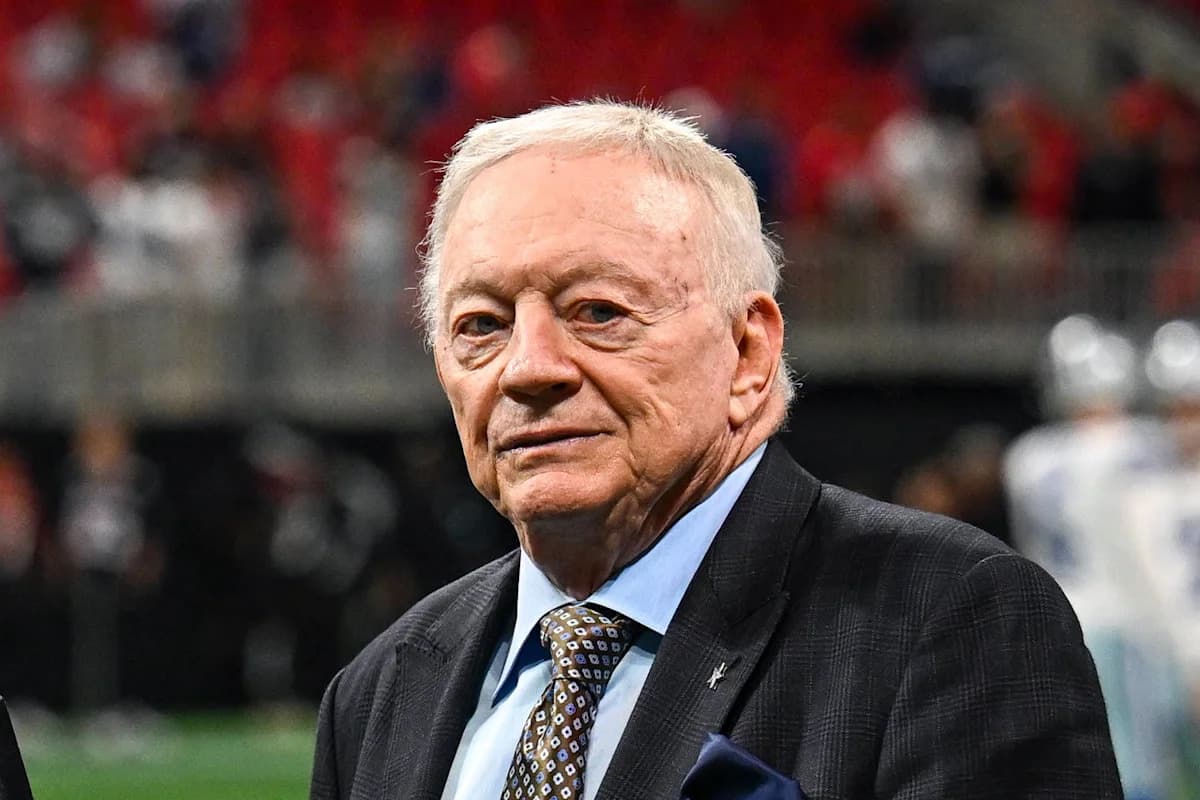
Photo via Yahoo! News
The National Football League's recent decision to permit teams to sell up to 10% ownership stakes to approved private equity firms represents a significant shift in how sports franchises are financed. According to Yahoo! News, Stephen Jones, son of Dallas Cowboys owner Jerry Jones, has signaled openness to exploring this option for the NFL's most valuable franchise, currently valued near $13 billion. The younger Jones's measured stance contrasts with his father's traditional resistance to diluting family control, suggesting a generational shift in how sports dynasties approach capital structure.
This regulatory change opens new avenues for institutional capital to flow into professional sports. With NFL team valuations climbing steadily—the Cowboys alone worth nearly $13 billion—private equity firms see significant opportunity in sports entertainment assets that generate consistent revenue through media rights, merchandise, and fan engagement. The 10% threshold allows franchises to access substantial capital infusions without surrendering majority control, a compromise that could appeal to ownership groups seeking growth capital without ceding strategic direction.
For Miami's business community, this trend reflects broader patterns in alternative asset allocation and institutional investment in entertainment and sports properties. As private equity increasingly targets sports franchises as yield-generating assets, local entrepreneurs and investors should monitor how this capital influx affects team valuations, sponsorship opportunities, and the economics of stadium development and fan experiences—factors that have real implications for Miami's hospitality, real estate, and entertainment sectors.