Photo via Headtopics
San Diego's renowned arts community is confronting a financial crisis that serves as a cautionary tale for cultural centers nationwide, including Miami. According to a University of San Diego report on local arts nonprofits, approximately one-third of the region's arts organizations are reporting weak financial health, while more than half have been forced to draw from reserve funds to maintain operations. This trend mirrors challenges facing arts institutions in other major metropolitan areas as philanthropic support fluctuates and operational costs continue to rise.
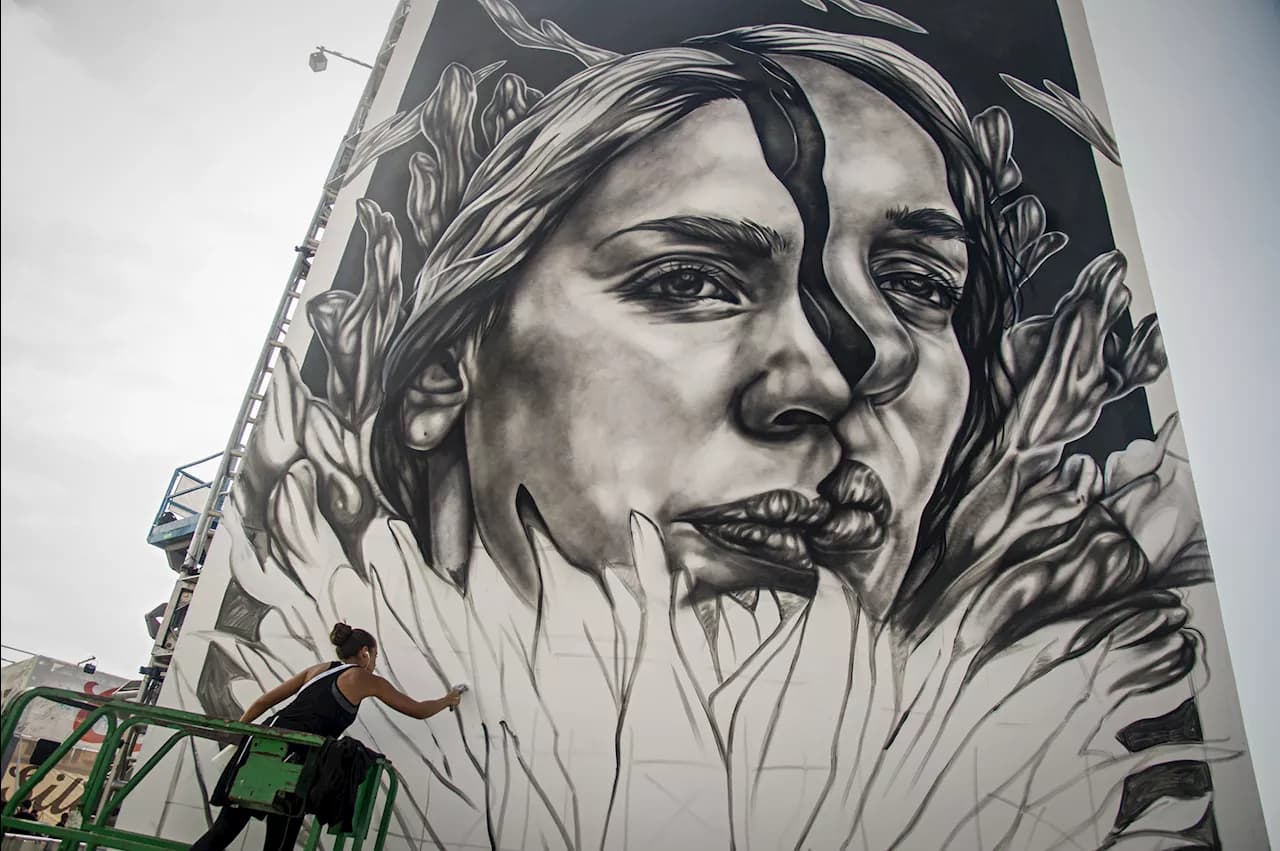
The pressure on arts funding extends beyond individual organizations to entire cultural ecosystems. San Diego's cultural campuses and galleries remain visible fixtures in the city's landscape, yet the financial strain threatens their long-term viability and programming capacity. Local leaders have proposed dedicating a portion of hotel tax revenue to arts funding as a potential remedy, though stakeholders question whether this measure alone will reverse the declining financial health of the sector.
For Miami's business community and policymakers, San Diego's situation underscores the importance of diversified funding models and proactive investment in arts infrastructure. A thriving creative sector contributes significantly to urban vitality, tourism appeal, and workforce attraction—factors that directly influence Miami's competitive position as a regional business hub. Examining how other cities support their cultural institutions could inform strategies to protect Miami's own artistic assets and the economic benefits they generate.