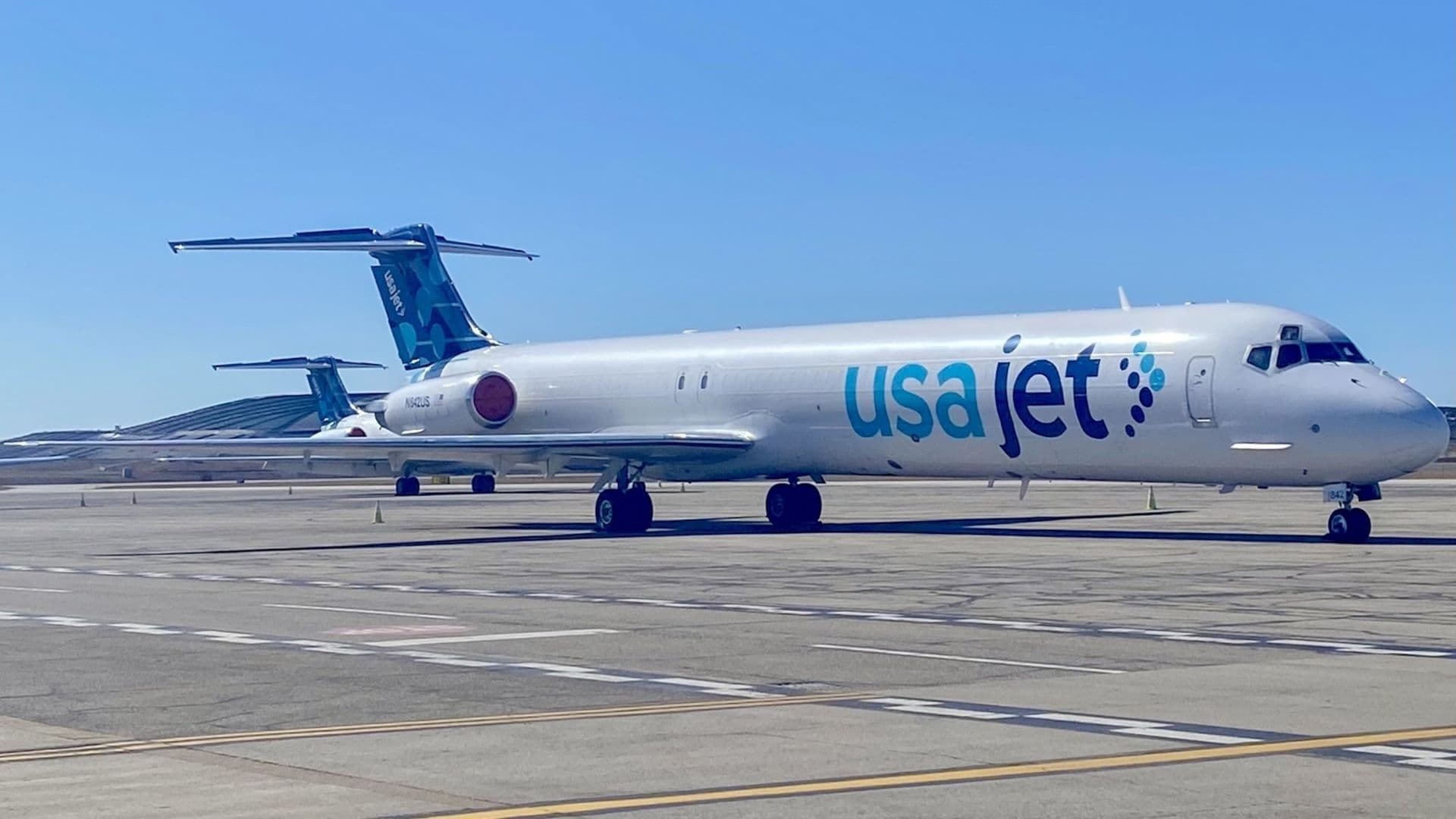
Photo via FreightWaves
Global Crossing Airlines has filed a breach-of-contract lawsuit against Ascent Global Logistics, a freight broker and investor, over allegations that the company systematically undermined its cargo operations. According to FreightWaves, the dispute centers on Ascent's decision to redirect charter flight assignments to its own internal cargo airline rather than continuing to use Global Crossing as a service provider.
The case highlights tensions that can arise when freight brokers operate dual roles as both logistics coordinators and cargo airline operators. By maintaining in-house flight capabilities, brokers like Ascent can capture higher margins on shipments, but such arrangements create inherent conflicts of interest when they also hold equity stakes or partnership agreements with competing carriers.
Miami's position as a major international cargo hub—serving Latin American and Caribbean markets—makes this dispute particularly relevant to local logistics operators. The region's dependence on air freight for perishables, pharmaceuticals, and time-sensitive goods means that partnership disruptions can have ripple effects across South Florida's supply chain networks.
The lawsuit underscores the importance of clearly defined exclusivity agreements and oversight mechanisms in logistics partnerships. For Miami-based freight companies and brokers operating in an increasingly competitive market, the case serves as a reminder that investor relationships require careful structuring to prevent conflicts between financial interests and operational commitments.