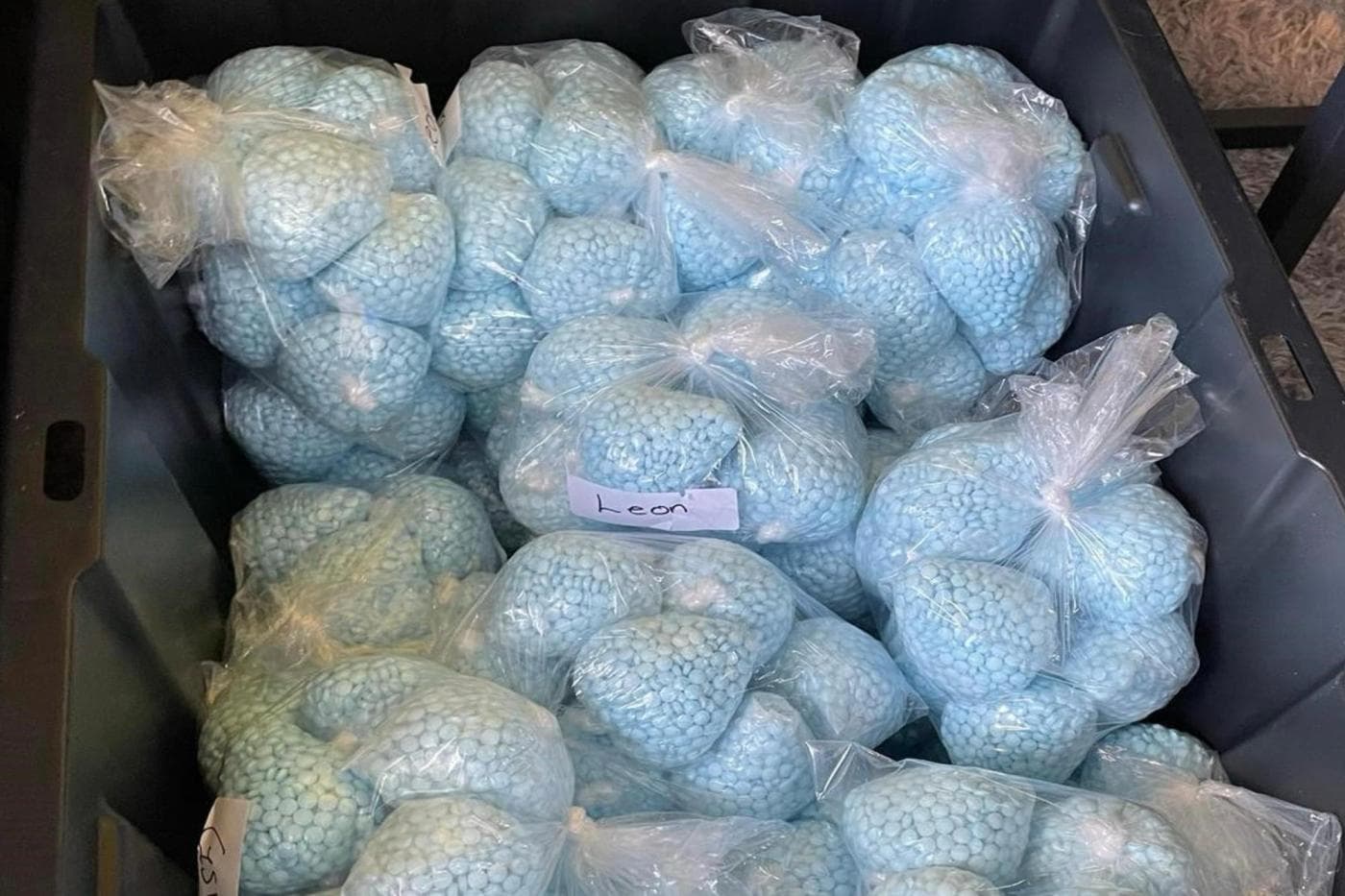
Photo via Boston Herald
According to reporting from the Boston Herald, New Mexico's governor has initiated calls for a criminal investigation into the Drug Enforcement Administration's handling of fentanyl shipments that allegedly reached street-level distribution. The development underscores growing scrutiny of federal agencies' ability to monitor and prevent controlled substances from entering illicit markets—a concern that resonates across South Florida, where opioid-related overdose deaths and trafficking remain persistent public health challenges.
Victims' advocacy groups have joined the criticism, arguing that the DEA's operational decisions may have inadvertently facilitated the flow of dangerous drugs into communities. For Miami-area businesses in healthcare, logistics, and law enforcement sectors, the case raises questions about supply chain transparency and regulatory accountability. The incident could prompt stricter oversight protocols that affect how pharmaceutical and chemical shipments are tracked and verified at distribution points.
The situation reflects an ongoing tension between regulatory oversight and operational effectiveness in controlling the opioid crisis. As Miami continues addressing fentanyl's prevalence in emergency rooms and addiction treatment facilities, the New Mexico investigation may influence how federal agencies coordinate with local authorities and private sector partners to strengthen safeguards against drug diversion.