Photo via FreightWaves
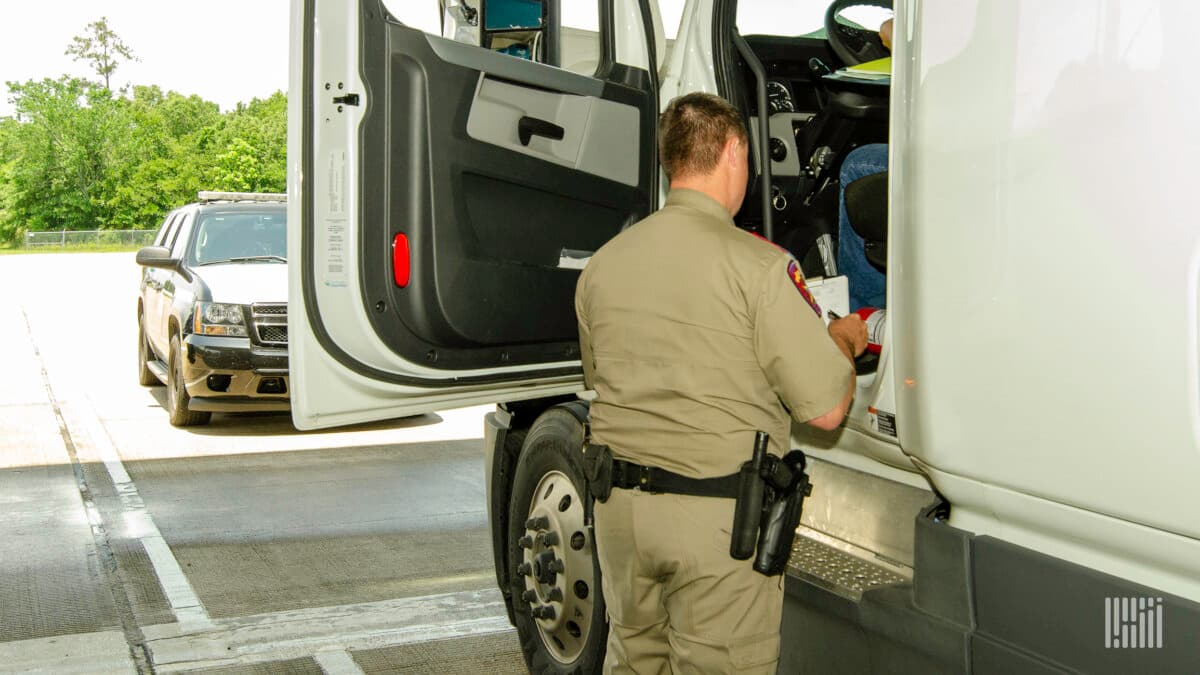
A new enforcement landscape is taking shape across America's highways, one that could significantly impact Miami's thriving logistics sector. According to FreightWaves, officers at weigh stations can now reconstruct entire multi-state trucking routes using roadside camera networks and automated license plate readers, then cross-reference that data against driver logs to identify discrepancies. This technological shift marks a departure from traditional enforcement methods and raises important questions for fleet operators and owner-operators based in South Florida.
For Miami-area trucking companies—a vital cog in the region's role as a major distribution and import-export hub—this development carries both compliance and operational implications. Fleets that move freight through interstate corridors, particularly those managing deliveries across the Southeast, will need to ensure their documentation practices align perfectly with actual routes and timings. The precision of modern surveillance infrastructure leaves little room for record-keeping errors or deliberate falsification.
The shift toward camera-based enforcement reflects broader industry trends toward digitization and accountability. Electronic logging devices (ELDs) have already begun standardizing hours-of-service reporting, and this next wave of roadside surveillance technology represents an extension of that oversight. For compliant operators, these systems may actually create competitive advantages by making it easier to demonstrate adherence to regulations and distinguish their operations from less scrupulous competitors.
Miami logistics companies should view this enforcement evolution as an opportunity to audit current practices and invest in systems that ensure accuracy across documentation, GPS tracking, and actual driver movements. As the region continues to strengthen its position as a global trade gateway, maintaining the highest compliance standards will be essential for protecting reputation, avoiding costly violations, and maintaining smooth operations across interstate routes.