Photo via Ktvz
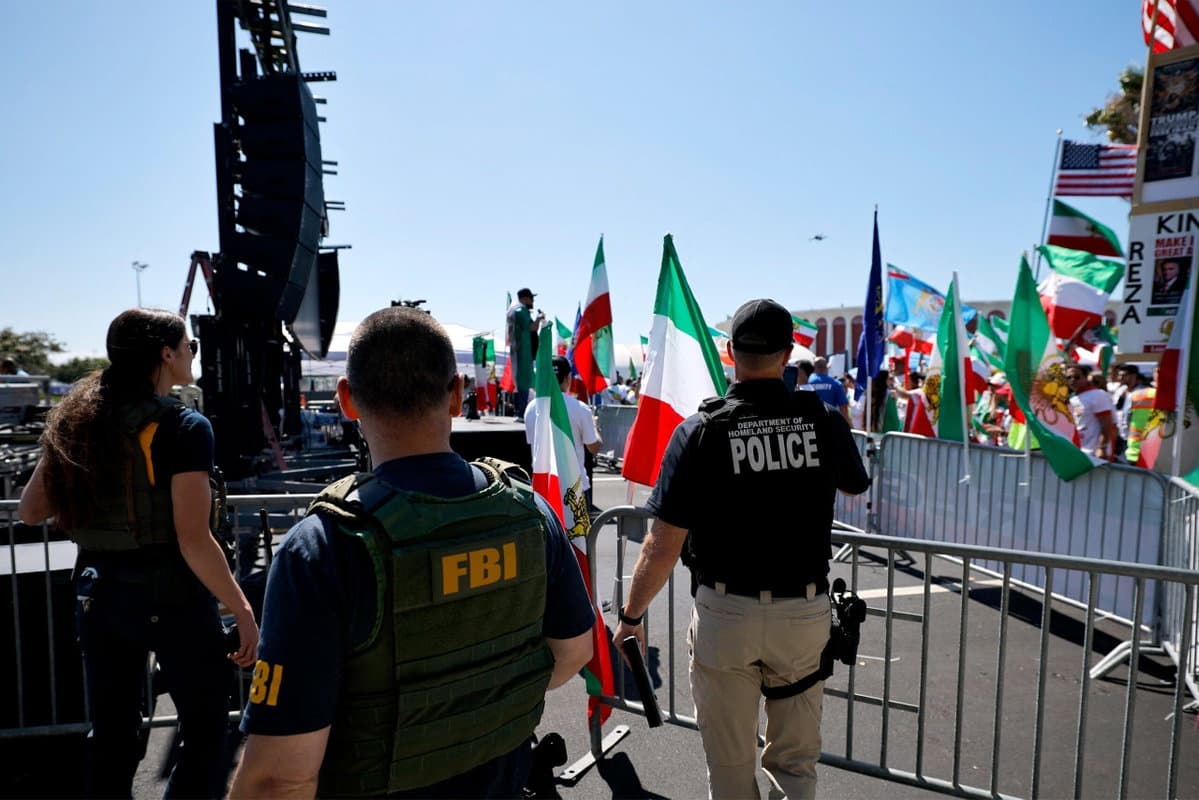
Federal law enforcement is intensifying its scrutiny of recreational and commercial drone operations, particularly in airspace surrounding high-profile events. According to reporting from CNN, a Texas man recently faced criminal charges for operating a drone illegally near a World Cup venue, signaling a broader enforcement trend across the country. This crackdown reflects growing concerns about safety, security, and privacy in an era when drone technology has become increasingly accessible to the general public.
For Miami-based drone operators and businesses relying on aerial photography or surveying services, understanding restricted airspace is critical to avoiding seizures and legal penalties. The Federal Aviation Administration maintains detailed maps and regulations governing where drones can legally operate, with special restrictions around stadiums, airports, government facilities, and event venues. Miami's thriving real estate, construction, and tourism industries frequently depend on drone services, making compliance essential for service providers and their clients.
Businesses operating or hiring drone services in South Florida should verify FAA clearances, maintain current Part 107 certifications, and consult official airspace maps before any operation. Legal consequences for violations can include equipment confiscation, substantial fines, and criminal charges—risks that make pre-flight compliance checks a prudent business practice for any Miami-area company incorporating aerial technology into its operations.