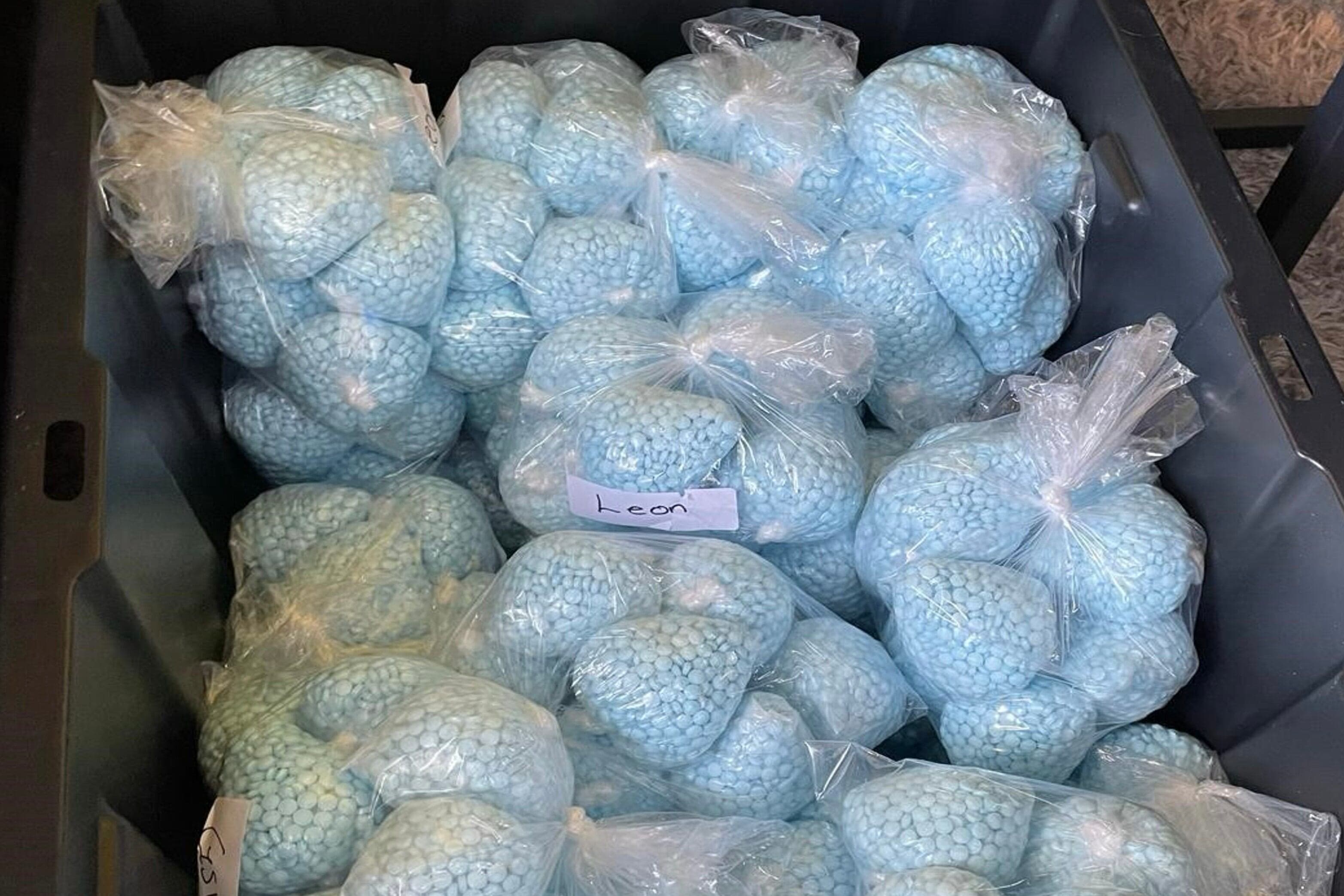
Photo via Wsls
New Mexico Governor Michelle Lujan Grisham has escalated pressure on federal authorities by requesting a criminal investigation into the Drug Enforcement Administration's handling of fentanyl distribution. According to Wsls, the governor is questioning whether the DEA violated state law by permitting fentanyl pills to enter the illicit drug supply. The move reflects growing frustration at the state level with federal drug enforcement strategies and their real-world consequences on communities.
The controversy highlights the ongoing tension between state and federal oversight of drug trafficking operations. Law enforcement agencies sometimes permit controlled drug movements to track larger trafficking networks, but such tactics come under scrutiny when substances reach street-level users. This incident underscores the complex balance federal agencies must navigate between investigative strategy and public safety responsibility.
For Miami-area stakeholders in healthcare, law enforcement, and regulatory compliance, this development signals potential shifts in how federal agencies coordinate with state authorities on drug enforcement matters. The investigation could influence policies affecting pharmaceutical logistics, healthcare operations, and community safety initiatives across Florida and the broader Southeast, particularly as states increasingly demand accountability in federal anti-trafficking efforts.