Photo via FreightWaves
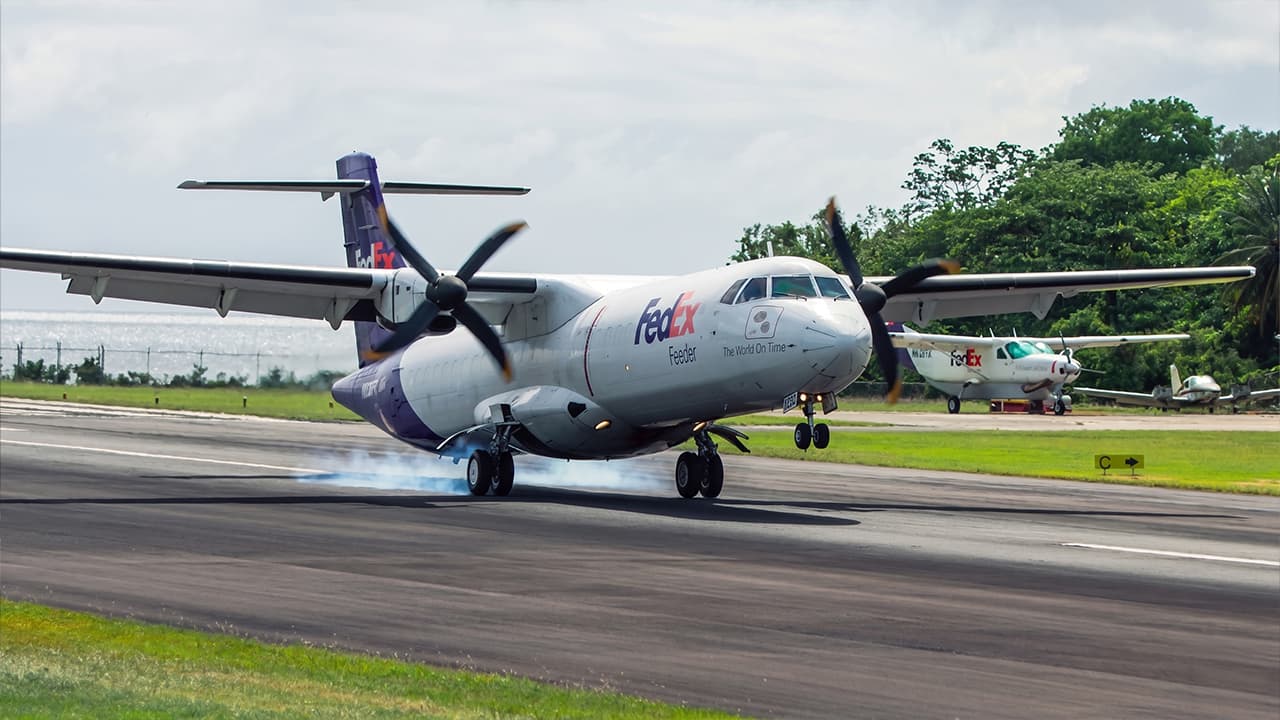
According to FreightWaves, a FedEx partner airline operating Caribbean cargo routes is pushing back against Federal Aviation Administration regulations that limit aircraft capabilities on long-distance water flights. The carrier argues that existing FAA rules governing extended operations over water are preventing the deployment of larger, more efficient aircraft on key regional routes—threatening service continuity in a market critical to Miami's role as a major Caribbean commerce hub.
Miami serves as the primary logistics gateway between the continental United States and the Caribbean, with significant cargo volume flowing through the region's airports and freight hubs. Any disruption to air cargo service on Caribbean routes could impact the supply chains of Miami-based importers, retailers, and distribution centers that depend on reliable connectivity to island markets.
The airline is seeking regulatory relief in the form of a waiver that would allow bigger planes to operate beyond current FAA-mandated distance limitations over ocean. Such restrictions, while designed for safety, can create operational constraints that limit cargo capacity and increase per-unit shipping costs on routes where cargo volumes might otherwise justify larger aircraft deployments.
The outcome of this request could have broader implications for Miami's logistics infrastructure and competitive position in Caribbean trade. Approval of the waiver would likely enhance service reliability and potentially reduce shipping costs, while denial could force carriers to maintain less efficient operations or scale back service to certain island markets, affecting Miami businesses reliant on Caribbean supply chains and markets.