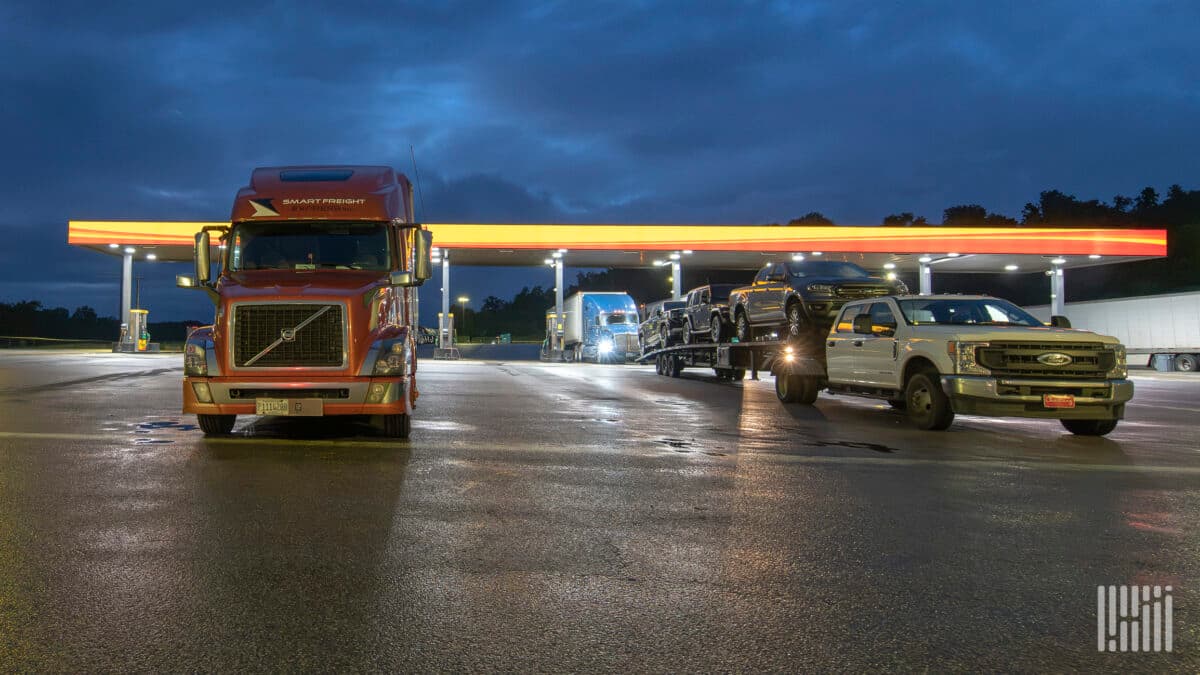
Photo via FreightWaves
According to FreightWaves, owner-operators running identical freight corridors are experiencing fuel economy variations of up to 25 percent, translating to thousands of dollars in annual losses for less efficient operators. Two drivers on the same Midwest routes with comparable cargo weights and weekly mileage targets can see fuel consumption ranging from 6.1 to 7.8 miles per gallon—a gap that compounds dramatically when calculated across a full operating year.
For Miami-based logistics companies and carrier networks managing fleets across regional and national routes, this efficiency disparity represents a significant controllable cost. A 400-gallon weekly burn rate difference between two operators underscores how operational choices cascade into bottom-line impact, particularly for owner-operators managing thin profit margins in an increasingly competitive transportation market.
Industry experts point to driver behavior, vehicle maintenance protocols, and route planning as primary factors influencing fuel performance—not necessarily equipment quality or engine specifications. Proper tire pressure, aerodynamic configurations, idle reduction practices, and speed management all contribute measurably to the gap. Companies investing in driver training and preventive maintenance programs report substantial fuel savings compared to counterparts relying on reactive vehicle management.
For South Florida's growing logistics and supply chain sector, understanding these efficiency variables becomes critical as fuel costs remain a major operating expense. Carriers and owner-operators who systematize fuel-efficient practices gain competitive advantages in pricing negotiations while improving profitability, making this an operational priority worth strategic investment.