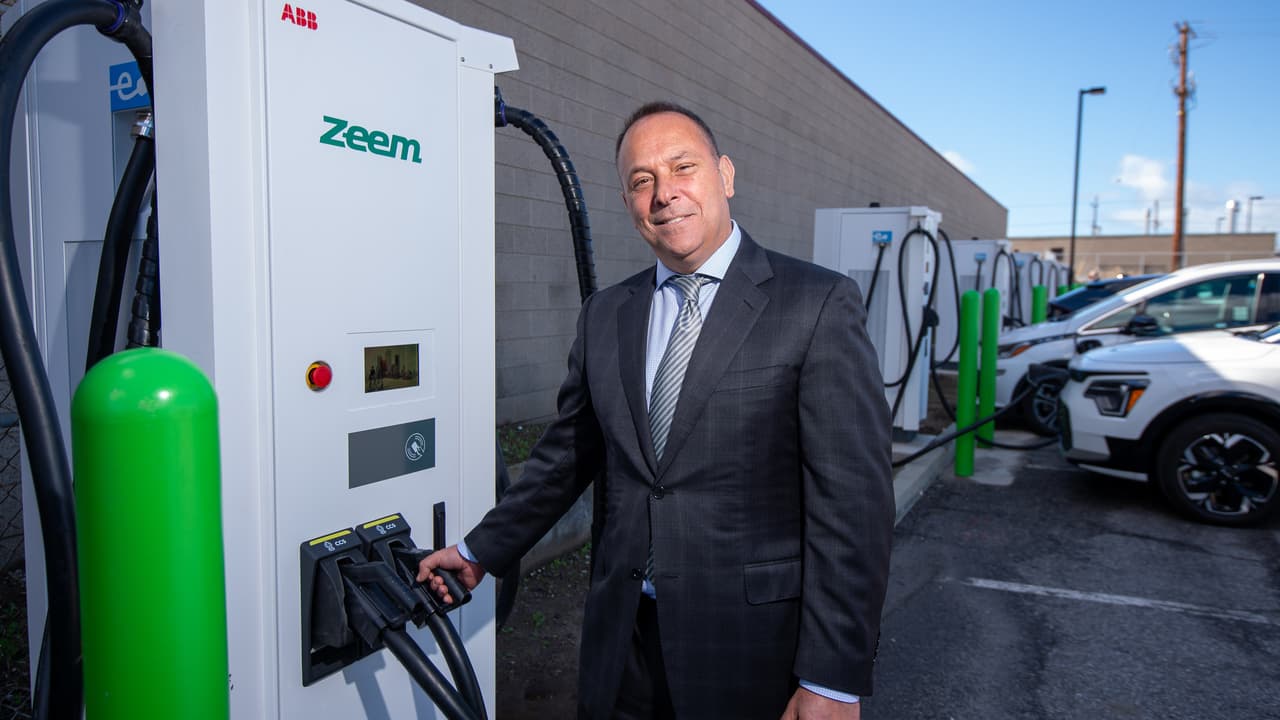
Photo via FreightWaves
The heavy-duty trucking and logistics sector is experiencing a critical inflection point as regulatory frameworks evolve and infrastructure economics transform. According to FreightWaves, fleet operators and charging providers are recalibrating their strategies to adapt to these shifts, with particular attention to how vehicles perform under real-world conditions and how charging infrastructure integrates with broader power grid demands.
For Miami's transportation and logistics hub—a region dependent on regional and long-haul freight movement—these infrastructure changes carry direct implications. As one of Florida's largest freight corridors connecting to Caribbean and Latin American supply chains, Miami-based logistics companies must evaluate how electrification mandates and new charging solutions will affect operational costs and route planning.
A key trend emerging in the industry is the shift toward on-site power generation and charging solutions. Rather than relying solely on public charging networks, fleet operators are increasingly investing in proprietary power infrastructure to reduce grid dependency and control energy costs. This approach offers greater predictability for large operations—critical for companies managing significant fleet deployments across South Florida.
Industry leaders like Zeem Solutions are addressing the intersection of vehicle performance, infrastructure deployment, and grid integration to help fleets navigate these complexities. As Miami-area businesses evaluate their electrification roadmaps, understanding these infrastructure economics—from regulatory compliance to power sourcing strategies—will be essential for maintaining competitive advantage in an evolving logistics landscape.