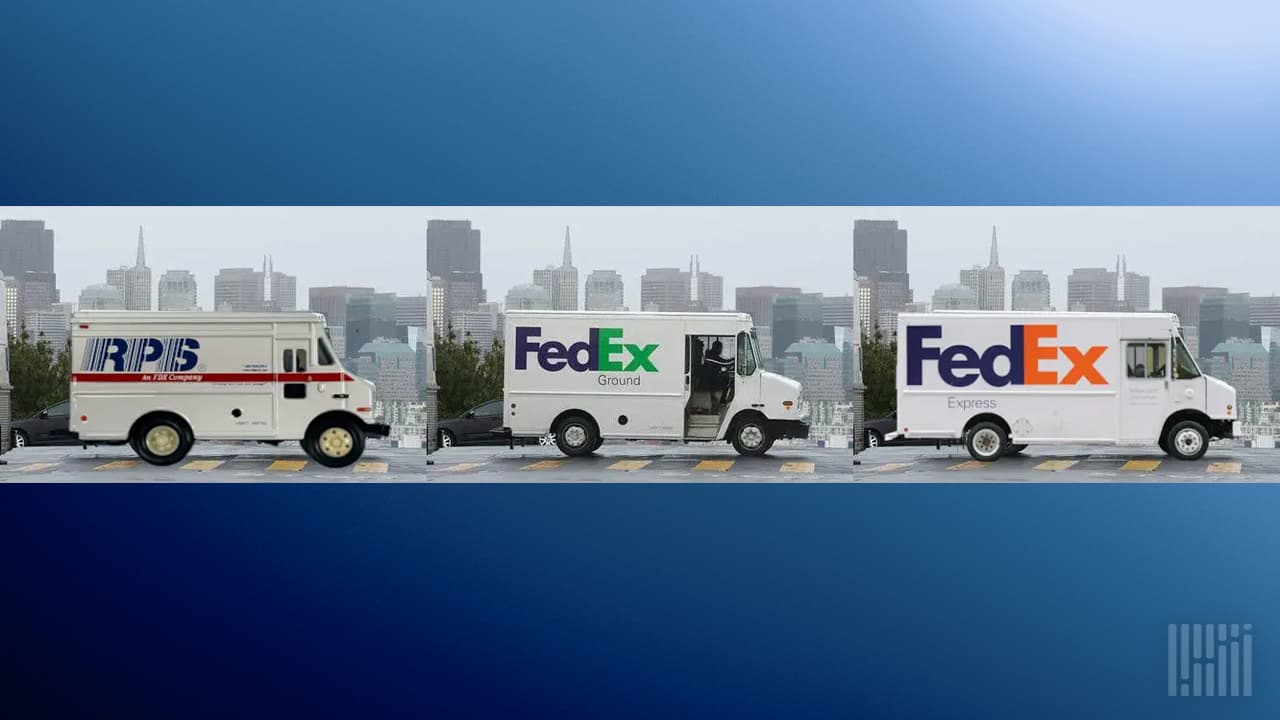
Photo via FreightWaves
FedEx Corp.'s recent spinoff of its Freight division marks a significant restructuring for the Memphis-based giant, leaving behind a combined Express and Ground network. According to FreightWaves commentary, this moment provides useful perspective on how FedEx achieved its dominant market position in U.S. parcel delivery—a position that would have been unattainable without a pivotal acquisition.
The acquisition of RPS (Road Package System) in 1998 proved to be the strategic move that transformed FedEx's competitive standing. Without this deal, industry analysts suggest FedEx would rank as only the third-place carrier in the U.S. parcel market, far behind UPS and potentially other competitors. This acquisition fundamentally reshaped the company's ground network and delivery capabilities.
For Miami-area businesses that depend on reliable logistics and parcel delivery services, the RPS example underscores how acquisitions and network consolidation can dramatically improve service capacity and market reach. South Florida companies in retail, e-commerce, and distribution rely heavily on efficient last-mile delivery networks, making competitive dynamics in the parcel industry directly relevant to local operations.
As the logistics landscape continues to evolve with new spinoffs and market consolidation, Miami's business community should recognize how strategic acquisitions—like RPS—can position companies for sustained competitive advantage. The lesson serves as a reminder that successful transportation startups often find their greatest impact not as independent operators, but as integral parts of larger, more comprehensive networks.