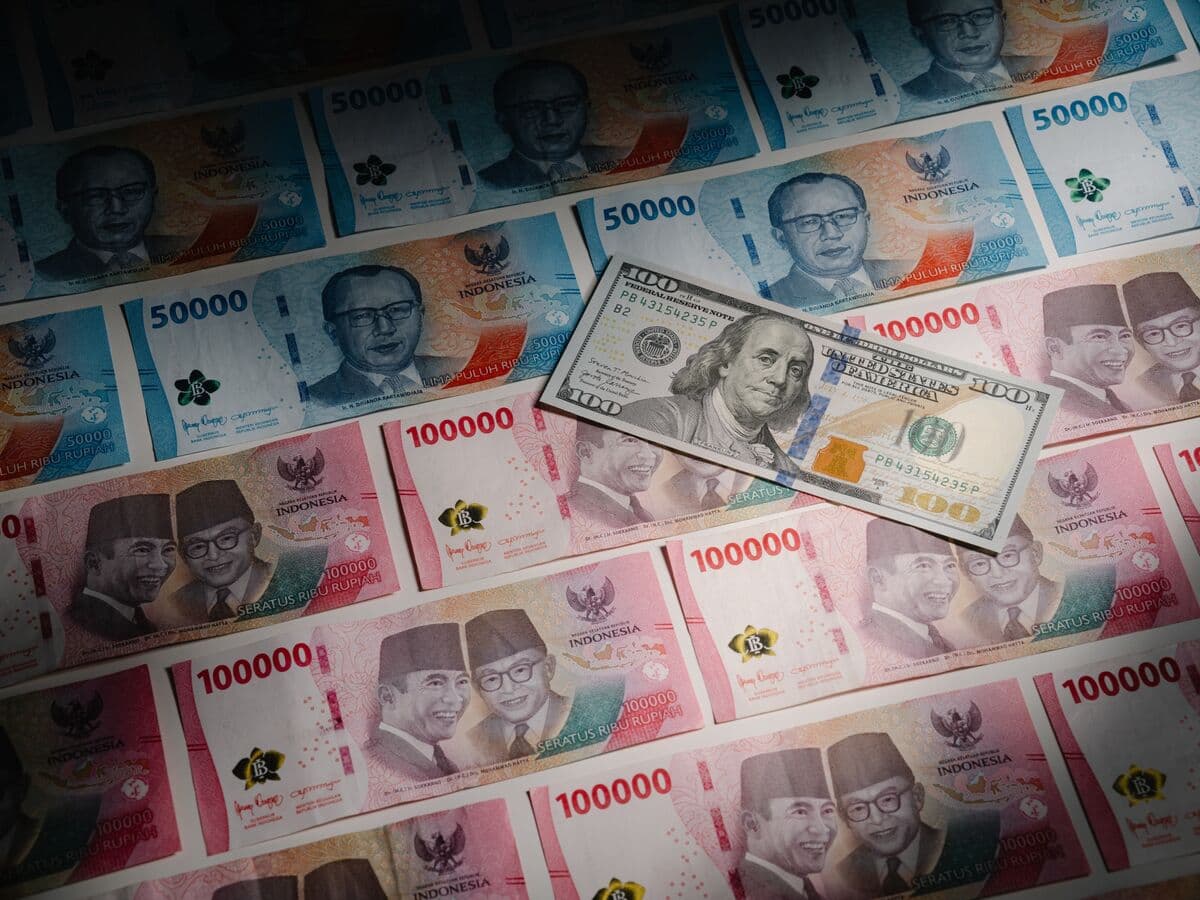
Photo via Bloomberg Markets
The Indonesian rupiah is approaching a critical psychological threshold that has captured the attention of currency traders and foreign exchange strategists globally, according to Bloomberg Markets. This key level at 18,000 represents more than a statistical marker—it's a point where central bank intervention often becomes more aggressive, potentially creating sudden shifts in currency valuations.
For Miami-based companies with operations or investments in Southeast Asia, rupiah volatility carries direct implications for earnings reports and capital allocation. Import-export businesses, financial services firms, and multinational corporations with Indonesian exposure need to monitor central bank communications closely. Unexpected currency moves can quickly erode profit margins on cross-border transactions and affect the valuation of regional subsidiaries.
Market observers are increasingly confident that Bank Indonesia will implement stronger intervention measures if the rupiah continues weakening. Such actions typically include direct market sales of the currency, raising interest rates, or implementing capital controls—moves that can reshape trading conditions overnight. Miami's international business community should prepare contingency plans and review their currency hedging strategies.
The rupiah's trajectory reflects broader emerging market pressures affecting capital flows globally. Miami traders and institutional investors should view this situation as a reminder to stress-test their emerging market portfolios and ensure adequate diversification. Staying informed about central bank policy statements from Indonesia will be essential for managing risks in the weeks ahead.