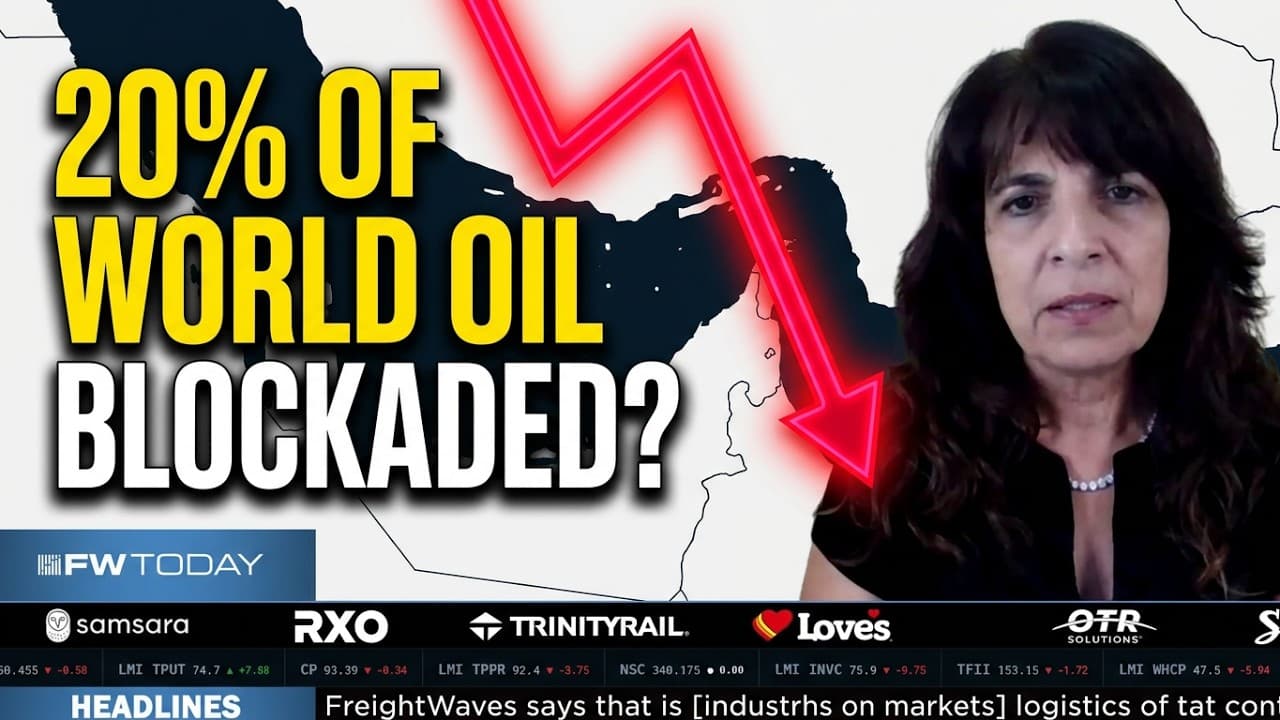
Photo via FreightWaves
Iran's recent military activities in the Strait of Hormuz, including missile strikes targeting commercial vessels and threats of broader blockade measures, are creating substantial disruptions to international shipping and energy markets. The waterway, which channels approximately 20% of the world's traded oil, remains a critical chokepoint for global energy security. These developments have prompted shipping companies and energy firms to reassess operational protocols and risk management strategies in one of the world's most strategically important maritime corridors.
The escalating tensions have triggered concerns among industry stakeholders regarding both physical security threats to tankers and vessels transiting the passage, as well as the legal and regulatory implications of potential blockade actions. According to shipping and legal experts, companies face mounting pressure to implement enhanced security measures while navigating complex international maritime law considerations. The situation underscores the vulnerability of global supply chains to regional geopolitical tensions and the interconnected nature of energy markets.
Market participants are closely monitoring developments in the strait, with potential implications for crude oil pricing and shipping costs if disruptions persist. The strategic importance of maintaining open passage through the Strait of Hormuz continues to draw attention from major oil-consuming nations and energy-dependent economies worldwide. Sustained or expanded hostile actions could significantly elevate energy costs and create broader economic ripple effects across global commerce.