Photo via Theathleticuk
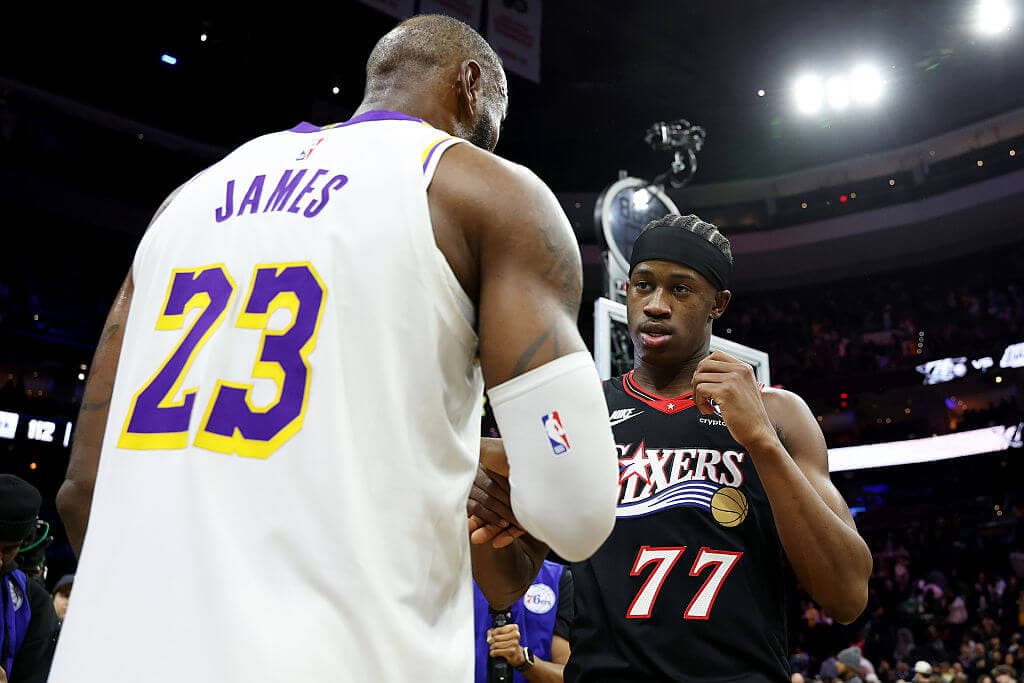
The potential acquisition of LeBron James by the Philadelphia 76ers illustrates how professional sports franchises continue to reshape competitive landscapes through high-profile player movements. According to The Athletic, Philadelphia views the 41-year-old veteran as a strategic fit alongside their upgraded roster, positioning the team for championship contention. For Miami business observers, such moves underscore the competitive dynamics at play among East Coast sports markets vying for both on-court success and the economic benefits that accompany winning franchises.
Professional sports teams generate substantial economic ripple effects across regional markets—from hospitality and retail to real estate and sponsorship opportunities. When franchises make high-profile acquisitions, they signal investment in winning, which typically translates to increased ticket demand, corporate partnerships, and media exposure. Miami, home to the Heat and other professional sports anchors, operates within this same competitive ecosystem where roster strength directly influences local business activity and market positioning.
The strategic calculus behind pursuing established superstars reflects broader trends in sports management: teams increasingly view star players as transformational assets capable of elevating entire organizations. For Miami's business community, monitoring how competing markets like Philadelphia deploy resources offers insights into talent acquisition strategies, franchise valuation, and the long-term economic drivers that influence which cities emerge as sports and business hubs in their respective regions.