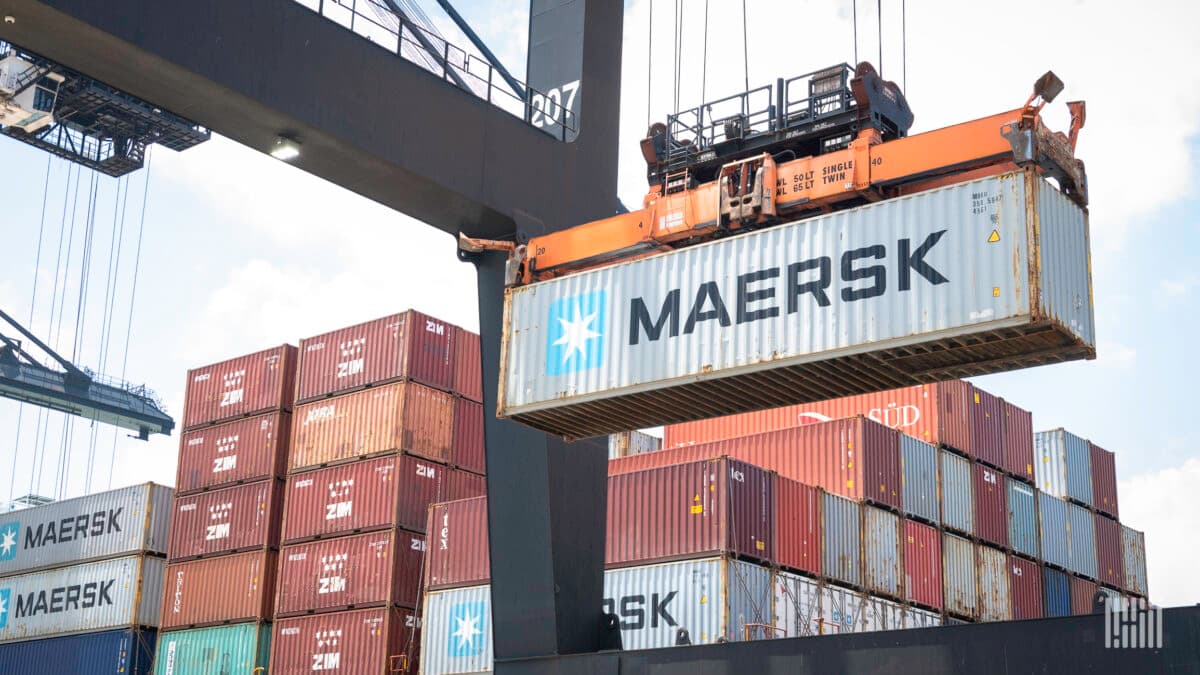
Photo via FreightWaves
Maersk, one of the world's largest container shipping companies, has been ordered to pay $1.9 million to the Federal Maritime Commission following an investigation into its detention billing practices. The fine addresses the company's improper charges levied against third parties who were not signatories to service contracts with the carrier, according to FreightWaves.
The violation centers on detention charges—fees applied when cargo containers are held beyond their designated free time at port facilities or other locations. Maersk improperly billed these charges to parties without contractual relationships to the company, a practice that regulators determined violated maritime commerce regulations.
For Miami's logistics and import-export community, the fine underscores the Federal Maritime Commission's intensifying enforcement against shipping carriers. As a major U.S. container port, PortMiami handles significant volumes of containerized cargo, making regulatory compliance by major carriers a matter of local business interest and cost management for regional importers and freight forwarders.
The penalty reflects broader regulatory focus on fair billing practices in the maritime industry. Companies relying on international shipping through South Florida ports should review their detention charge agreements with carriers to ensure compliance with federal standards and avoid similar exposure to regulatory action and unexpected costs.