Photo via Los Angeles Times
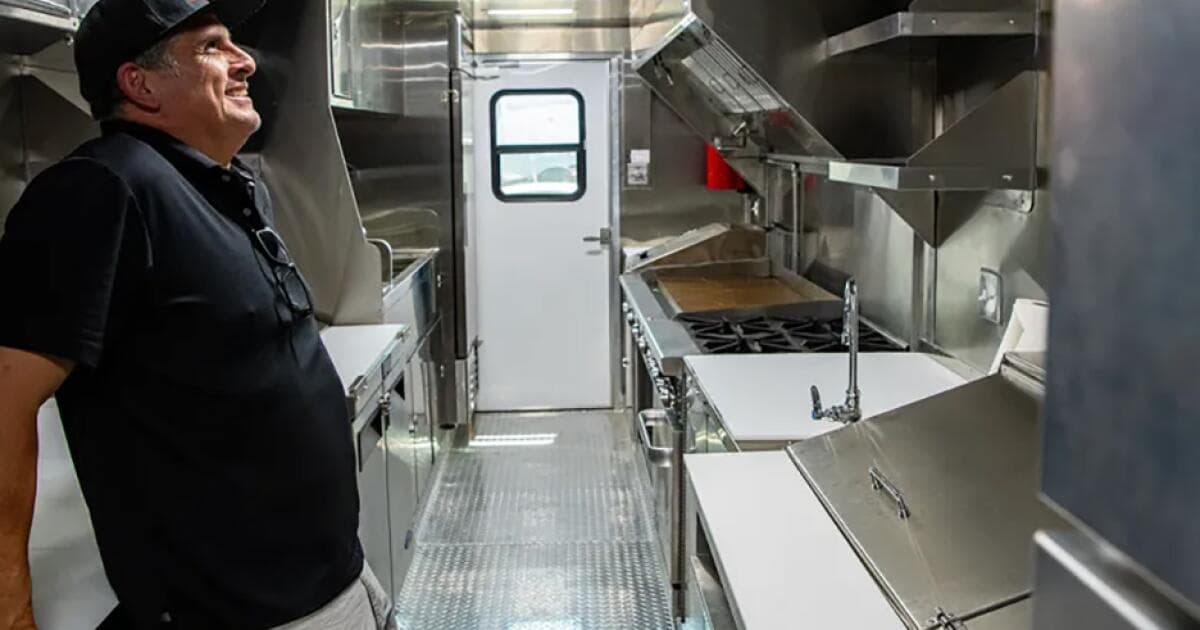
The food truck industry has become a significant entry point for culinary entrepreneurs nationwide, and specialized conversion shops are fueling that growth. According to the Los Angeles Times, California Food Trucks has spent the past 15 years perfecting the craft of transforming standard commercial vehicles into fully operational mobile kitchens. This niche business model addresses a critical gap in the market: entrepreneurs with restaurant concepts often lack the capital or expertise to build out their mobile units from scratch.
For Miami's expanding food truck ecosystem, understanding this conversion infrastructure is increasingly relevant. The region's food truck scene has grown substantially, with vendors operating across Wynwood, Brickell, and downtown Miami. A similar service-based model supporting local food truck operators could capitalize on barriers to entry—many aspiring vendors struggle with the technical and regulatory requirements of outfitting a commercial kitchen on wheels.
Beyond individual food truck operators, the conversion service model presents broader implications for Miami's small business landscape. Entrepreneurs entering the mobile food sector require turnkey solutions, permitting guidance, and compliance support tailored to Florida regulations. Successful conversion shops serve as both manufacturers and strategic advisors, positioning themselves as essential partners in the food entrepreneurship pipeline.