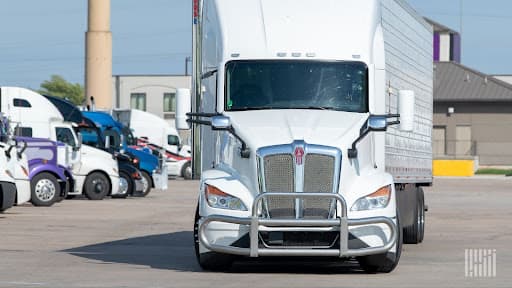
Photo via FreightWaves
Fleet operators in Miami's bustling logistics sector face a critical financial decision with far-reaching tax consequences: whether to own or lease their commercial vehicles. According to FreightWaves, this choice hinges on complex tax calculations that vary significantly based on individual business circumstances, making it essential for local fleet managers to understand the numbers before committing capital.
The tax treatment of vehicle ownership versus leasing differs substantially in ways that directly impact a company's bottom line. Owned vehicles allow operators to claim depreciation deductions and capitalize on asset ownership, while leased vehicles typically offer more straightforward deductible expenses tied directly to operational costs. For Miami businesses operating in the competitive freight and logistics space, these distinctions can translate to thousands of dollars in annual tax liability.
The correct approach depends heavily on several factors unique to each operation: your business entity structure (sole proprietor, LLC, C-corp, or S-corp), your annual taxable income level, and importantly for Miami-area operators, Florida's specific tax conformity with federal regulations. As FreightWaves notes, there is no one-size-fits-all answer—the optimal strategy requires personalized analysis that accounts for your specific financial situation and long-term business goals.
Given the stakes involved, Miami business owners should consult with a tax professional or certified accountant familiar with both federal tax code and Florida's regulatory environment before making fleet acquisition decisions. The difference between a well-structured ownership or lease strategy and a hasty choice could mean substantial tax savings or unnecessary expenses over the vehicle's useful life.