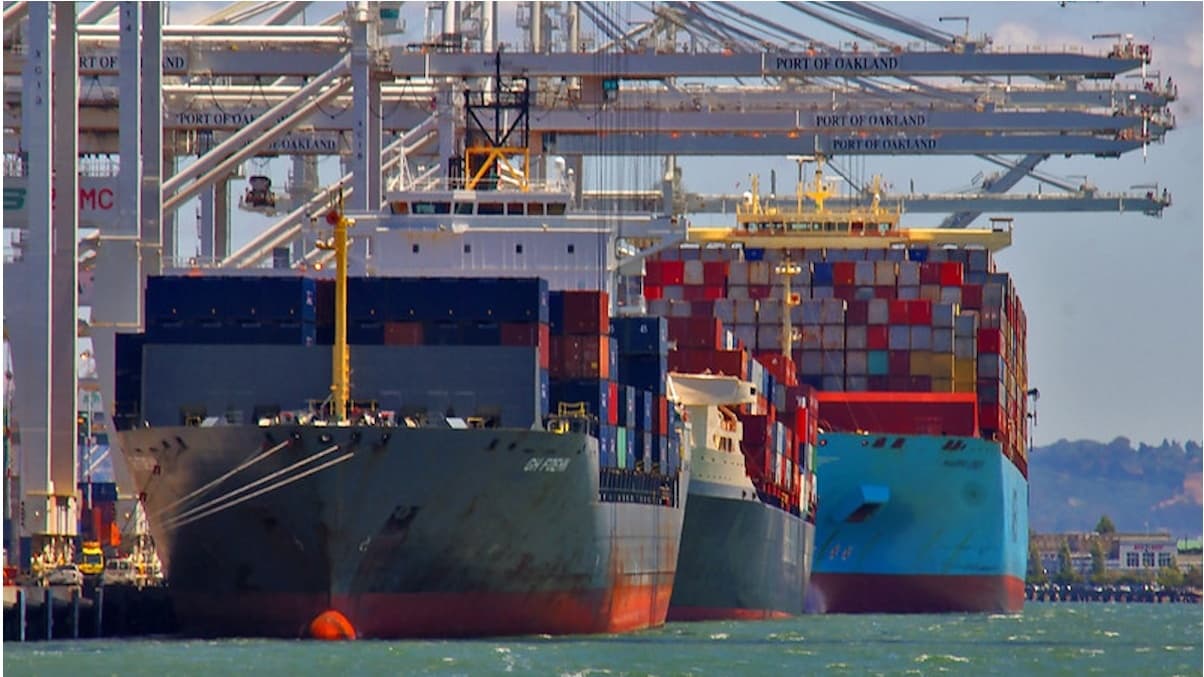
Photo via FreightWaves
According to FreightWaves, the Port of Oakland maintained relatively stable cargo throughput year-over-year in April, demonstrating resilience in West Coast maritime operations. This stability is noteworthy given the broader challenges facing U.S. port operators, particularly as supply chain dynamics continue to shift.
What distinguishes Oakland's April performance is the divergence between export and import volumes, with exports leading the charge. This pattern reflects broader trends in American trade, where agricultural products, machinery, and raw materials destined for Asia-Pacific markets continue to drive outbound traffic from West Coast gateways.
The decline in total vessel calls at Oakland underscores a critical trend affecting ports nationwide, including Miami's PortMiami: carriers are consolidating calls and optimizing routes to improve efficiency. For Miami's logistics and trade community, this suggests increased competition among hub ports to attract vessel schedules and cargo volumes.
As Miami continues developing its role in Latin American trade and intermodal distribution, the Oakland data provides a benchmark for understanding how U.S. ports adapt to reduced vessel frequency while maintaining throughput. Local supply chain professionals should monitor whether similar export-led patterns emerge at PortMiami, which could signal opportunities in high-value outbound markets.