Photo via FreightWaves
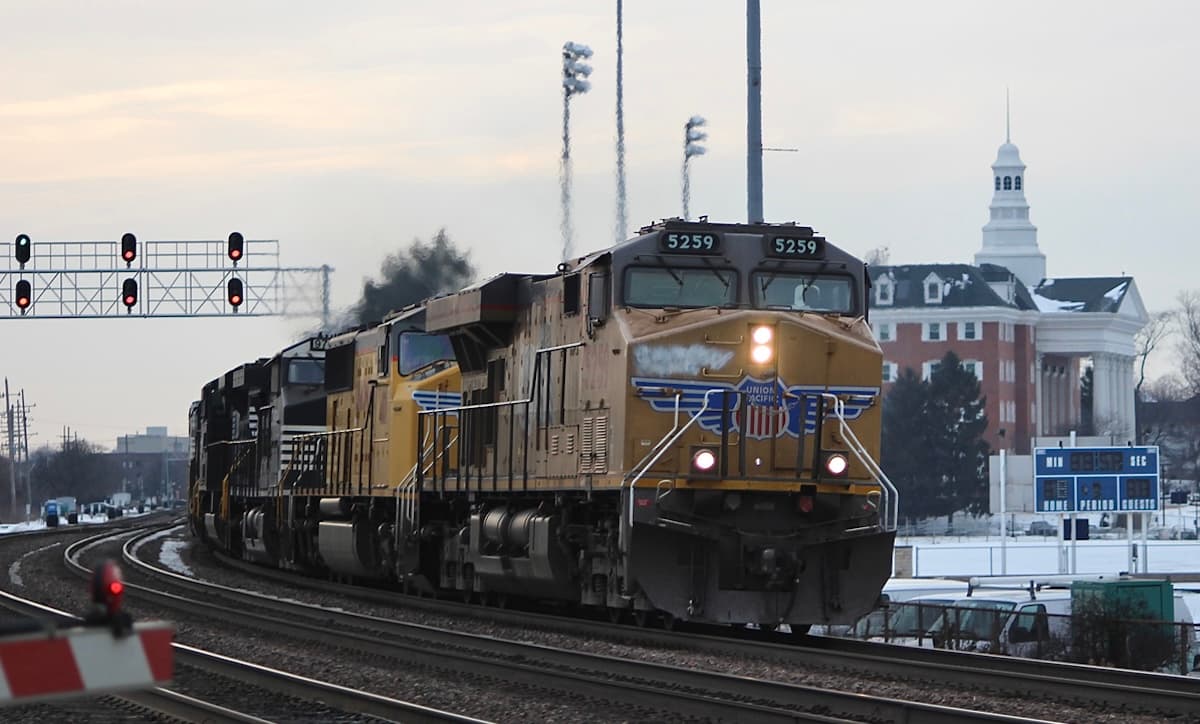
The Surface Transportation Board has taken a significant step by granting conditional approval to a revised merger application between Union Pacific and Norfolk Southern, two of the nation's largest freight rail operators. According to FreightWaves, the STB's decision allows the mega-merger to advance while stopping short of outright rejection, though regulators have requested additional information before final clearance.
For Miami's business community, rail consolidation carries substantial implications. As a major international trade hub and logistics center, South Florida depends heavily on efficient freight rail connections to move goods inland from PortMiami and to coordinate with regional distribution networks. Changes to the competitive landscape among rail carriers could affect shipping rates and service reliability for the region's retailers, manufacturers, and import-export businesses.
The conditional approval represents a middle path for the STB, which avoided issuing either a complete approval or denial that might have set significant regulatory precedent. By requesting more information before proceeding, the board appears to be carefully weighing competitive concerns against potential operational efficiencies that a merged entity might deliver to shippers across the Southeast and beyond.
Miami-based logistics companies and port operators will likely monitor the merger's progression closely over the coming months. The ultimate outcome could influence freight costs, rail service options, and supply chain planning for businesses throughout South Florida and the broader Southeast region that rely on rail transport for competitive advantage.