Photo via FreightWaves
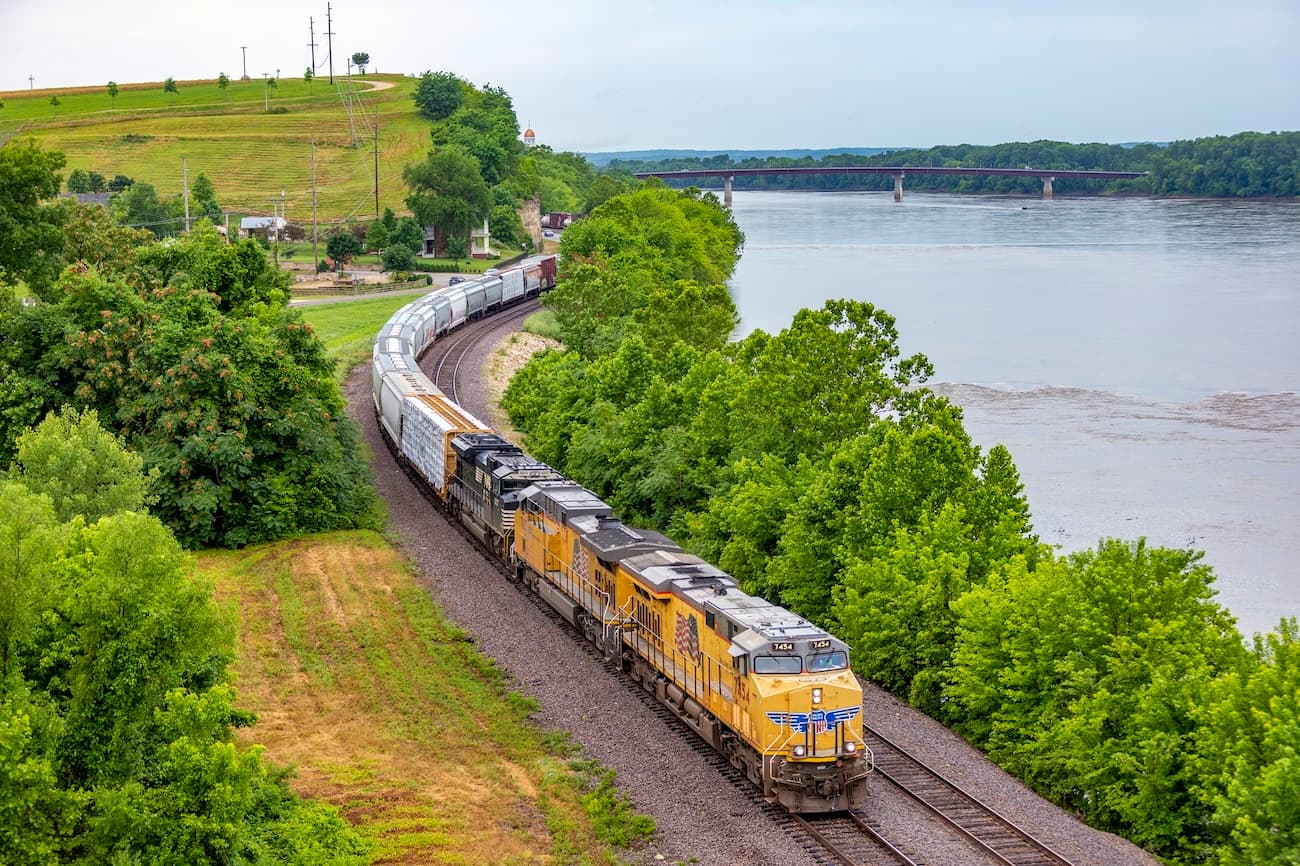
According to FreightWaves, the Surface Transportation Board has granted conditional acceptance of the revised merger application between Union Pacific and Norfolk Southern, two of North America's largest freight rail operators. This milestone represents a significant step forward in what would become a transcontinental rail powerhouse, though the path to final approval remains subject to regulatory scrutiny and fact-based review.
For Miami-area businesses reliant on freight rail infrastructure, the proposed merger carries substantial implications. South Florida's robust import-export sector—including container terminals, distribution centers, and logistics hubs—depends on reliable rail connections to interior markets. A consolidated UP-NS network could streamline cross-country transportation routes, potentially lowering shipping costs and improving delivery times for regional companies moving cargo inland from Port Miami.
The conditional acceptance indicates the regulatory framework is willing to consider the merger on its merits, though concerns about market consolidation, service reliability, and competitive impacts remain under review. The fact-based examination ahead will scrutinize how the combined entity would serve shippers, communities, and the broader transportation ecosystem across different regions of the country.
Miami logistics professionals and supply chain executives should monitor the merger's progression closely. A successful consolidation could reshape rail service patterns to South Florida, while any regulatory conditions imposed might influence how the combined company operates local and regional freight operations. The outcome will likely affect shipping strategies and transportation planning for Miami-based distributors and exporters for years to come.