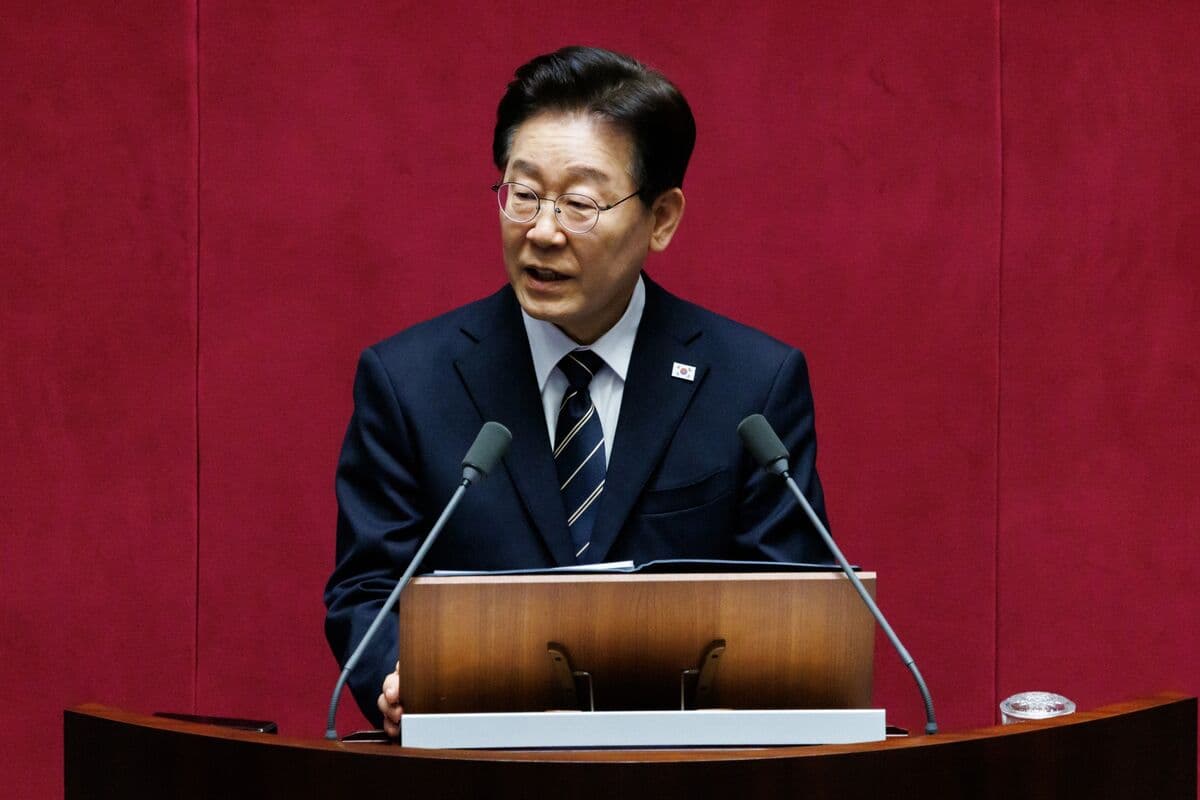
Photo via Bloomberg Markets
South Korea's political landscape shifted significantly following recent local elections, according to Bloomberg Markets. President Lee Jae Myung's left-wing party achieved a commanding victory in key electoral contests, strengthening the ruling party's position and complicating the outlook for opposition conservative groups. The results represent a substantial mandate for the current administration's policy direction.
The conservative opposition faces mounting challenges as it attempts to rebuild credibility following a major political crisis involving a former leader's martial law declaration. This institutional weakness gives the ruling party greater latitude to pursue its agenda without substantial legislative resistance. For Miami-area businesses with South Korean operations or partnerships, this political consolidation could signal more predictable policy environments in coming months.
Stable political control often enables governments to implement long-term economic strategies. South Korea's election results may facilitate clearer business policies regarding trade, foreign investment, and regulatory frameworks. Companies with exposure to South Korean markets or supply chains should monitor how the newly strengthened administration shapes commercial policy.
Miami's growing role as a gateway to Asia and Latin American trade makes international political developments relevant to local business interests. As South Korea remains a significant trading partner and source of foreign investment in the U.S., shifts in Seoul's political power structure warrant attention from regional executives and investors tracking global market dynamics.