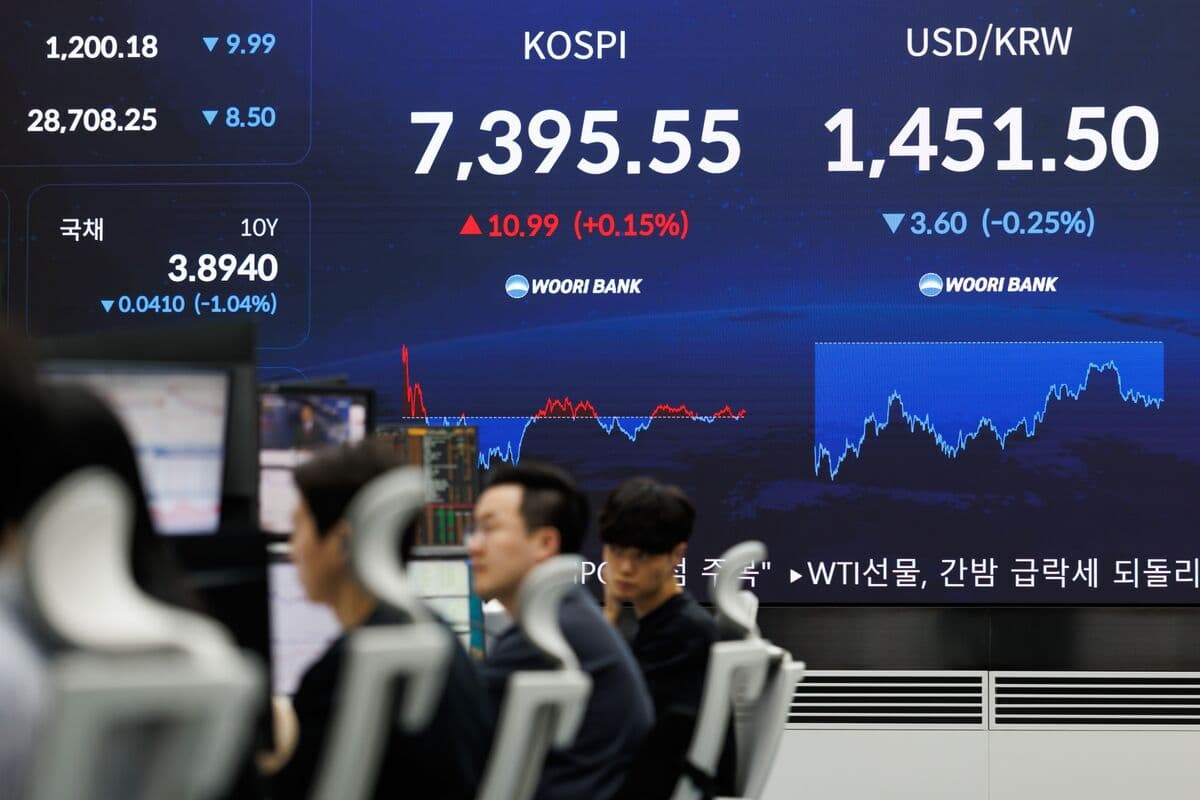
Photo via Bloomberg Markets
South Korea's equity market has delivered exceptional returns, but recent market activity suggests the rally may be losing momentum. According to Bloomberg Markets, the Kospi index's impressive 105% climb is beginning to show signs of strain, raising questions about the sustainability of gains that have made it one of the world's best-performing markets.
Market breadth—the measure of how many stocks participate in a rally—is emerging as a key concern for analysts tracking the South Korean market. When a market's gains are concentrated among a small number of stocks rather than distributed across a broad base of companies, it often signals underlying weakness and potential vulnerability to sharp reversals. This concentration pattern mirrors dynamics that Miami-based portfolio managers monitor when assessing international diversification strategies.
For Miami investors and financial advisors with emerging market exposure, the Kospi's situation underscores the importance of monitoring market internals alongside headline indices. A market that appears strong on the surface but lacks broad-based participation can present hidden risks for those seeking stable international returns or sector diversification in technology and manufacturing.
The developing situation in South Korea's $4.9 trillion stock market serves as a reminder that world-beating returns often come with elevated risk. Investors in Miami's thriving financial services sector and institutional money managers should continue tracking these technical warning signs as they evaluate their positioning in Asian equities and consider whether portfolio adjustments are warranted.