Photo via FreightWaves
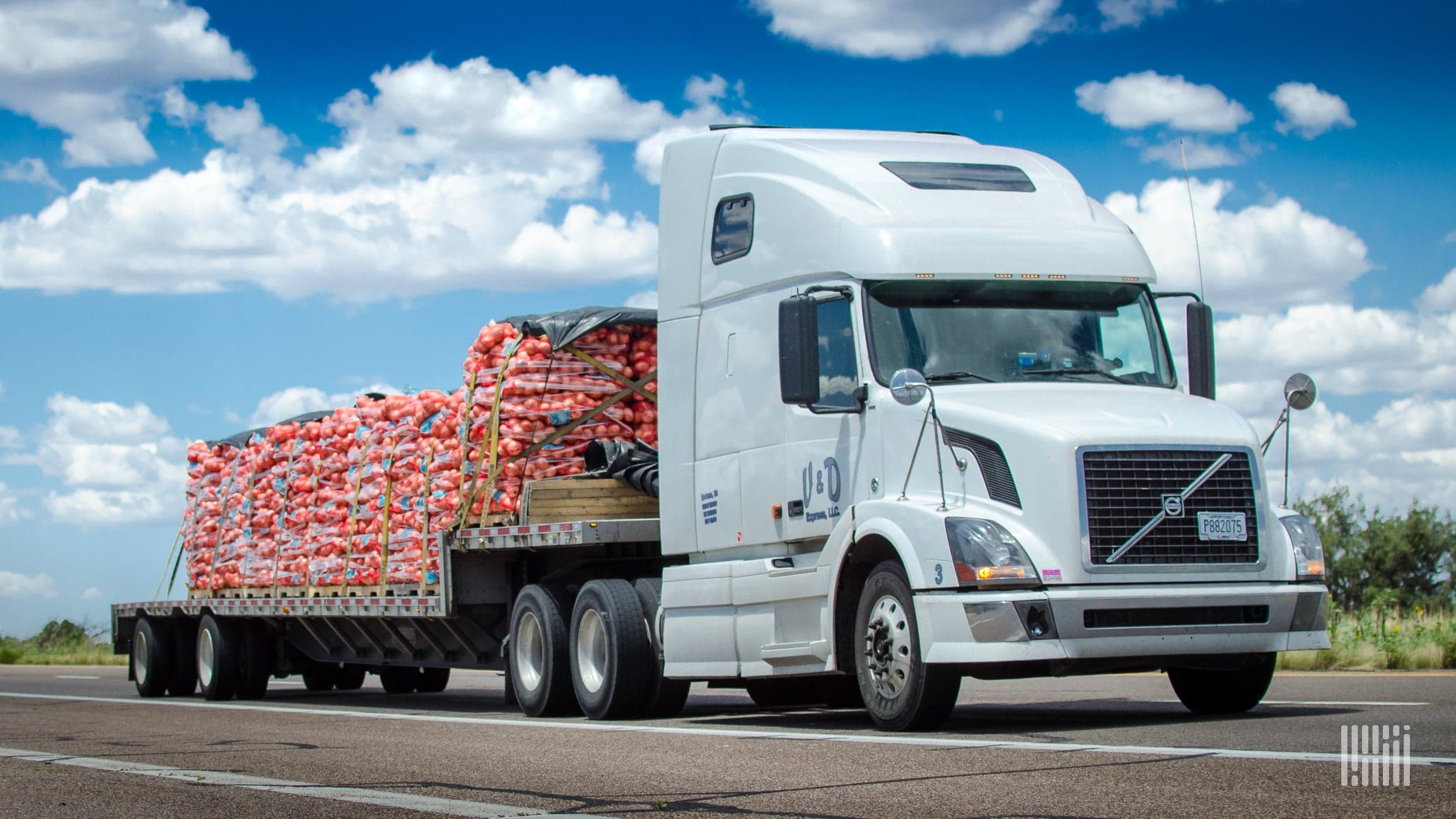
Texas has reversed its previous restrictions on commercial driver licenses (CDLs) for non-domiciled temporary agricultural workers, according to FreightWaves. The state is now resuming issuance of CDL licenses to legally authorized foreign workers, a move that could reshape transportation practices across regional agricultural markets.
For Miami-area logistics and agribusiness companies, this policy shift carries meaningful implications. Florida's agricultural sector—a $7.5 billion industry—relies heavily on interstate transport networks and seasonal labor patterns similar to those in Texas. Changes to CDL availability for temporary workers can affect supply chain costs, driver availability, and operational planning for produce distributors and freight handlers throughout South Florida.
The decision reflects broader tensions between agricultural labor shortages and regulatory frameworks governing commercial transportation. By expanding CDL access to legally authorized temporary workers, Texas aims to address driver shortages that have constrained agricultural transport capacity during peak harvest seasons—a challenge Miami-based logistics providers understand intimately.
Miami business leaders in agriculture, distribution, and transportation should monitor how this Texas precedent develops. Policy changes affecting regional labor mobility and licensing requirements can create competitive advantages or disadvantages depending on how Florida responds, potentially influencing hiring strategies and operational costs for companies managing fresh produce and agricultural shipments through the state.