Photo via FreightWaves
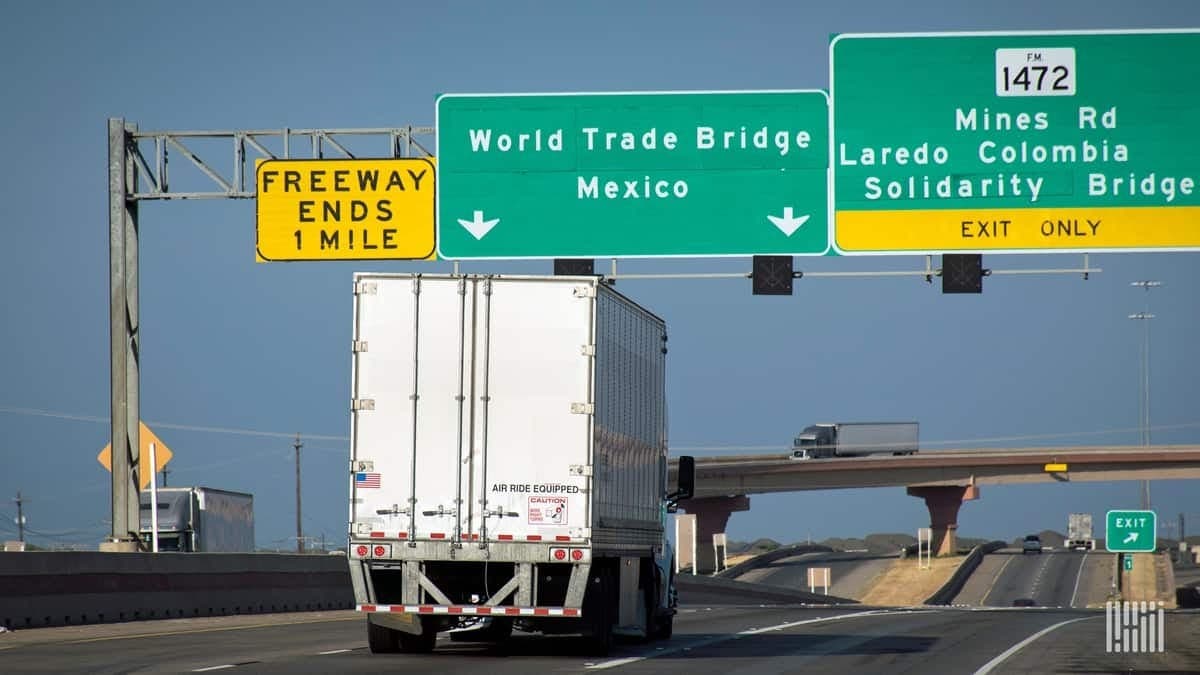
In a significant ruling with implications for the logistics and retail sectors, the Texas Supreme Court recently decided a case involving Home Depot and shipper liability in a fatal trucking accident. According to FreightWaves, the court determined that shippers cannot automatically be held responsible for accidents involving carrier vehicles, even when those vehicles are transporting the shipper's cargo. This decision clarifies legal boundaries that have been contested in the transportation industry for years.
For Miami-area businesses that ship goods nationally or manage supply chains, this ruling offers important clarity on legal exposure. Many South Florida retailers, distributors, and e-commerce companies rely on trucking networks to move inventory across state lines. Understanding the limits of shipper liability helps these businesses better assess their insurance needs and contractual relationships with carriers, potentially reducing their legal risk profile.
The Texas decision establishes that shippers are not automatically liable for carrier negligence or accidents unless they bear direct responsibility through their own actions or omissions. This standard protects shippers from inheriting carriers' liability simply by virtue of owning the cargo in transit—a distinction that could lower operational costs and insurance premiums for businesses managing complex logistics networks.
Industry observers expect this ruling to influence similar cases across other jurisdictions, including Florida. As Miami continues to grow as a logistics hub for international trade and e-commerce distribution, local businesses should monitor how this precedent evolves in their home state and adjust their carrier agreements and insurance strategies accordingly.