Photo via FreightWaves
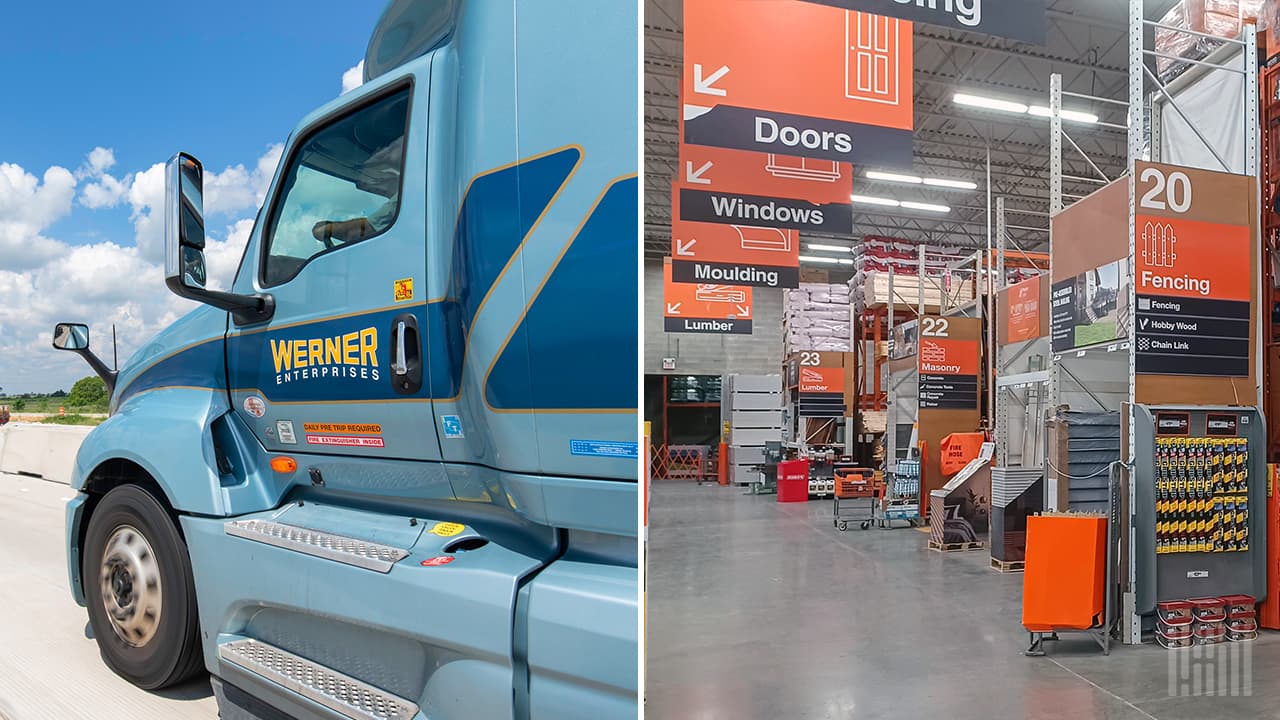
The Texas Supreme Court has issued a significant ruling that restricts shipper liability in a closely watched case involving Home Depot and logistics provider Werner. According to FreightWaves, the decision has potentially dampened ongoing industry debate about how responsibility should be allocated between shippers and carriers in commercial transportation disputes.
For Miami-area retailers and distributors who rely heavily on regional and national logistics networks, this ruling carries practical implications. Companies operating in South Florida's robust retail and e-commerce sectors—which depend on complex supply chains—may see shifts in how liability clauses are negotiated with carriers and third-party logistics providers.
The court's decision suggests that shippers may face fewer liability exposures in certain circumstances, which could affect how businesses structure their freight agreements and insurance coverage. This comes amid broader industry discussions about fairness in shipper-carrier relationships and the allocation of risk across the logistics ecosystem.
Miami businesses should monitor this legal development closely, particularly those in retail, construction materials distribution, and e-commerce fulfillment. Legal and supply chain professionals may want to review existing carrier agreements to understand how Texas precedent could influence contract negotiations and liability frameworks in Florida logistics arrangements.