Photo via Yahoo! News
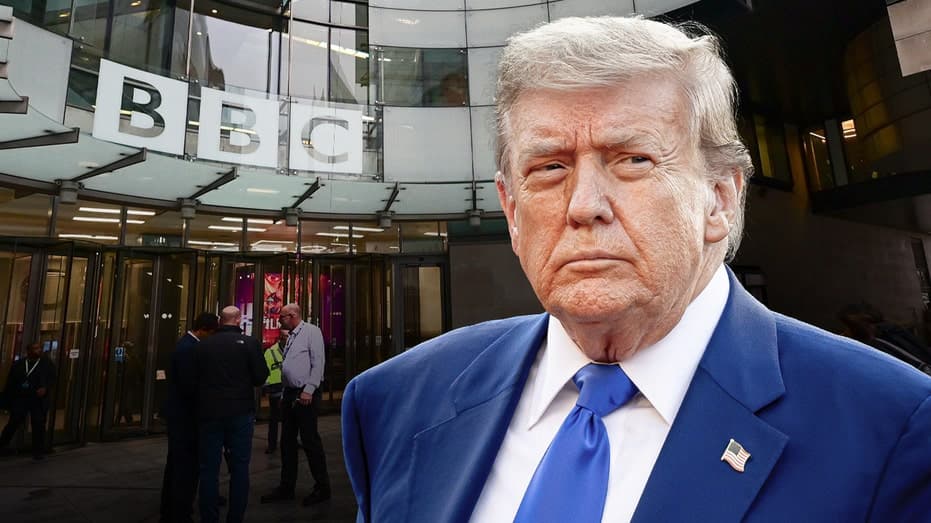
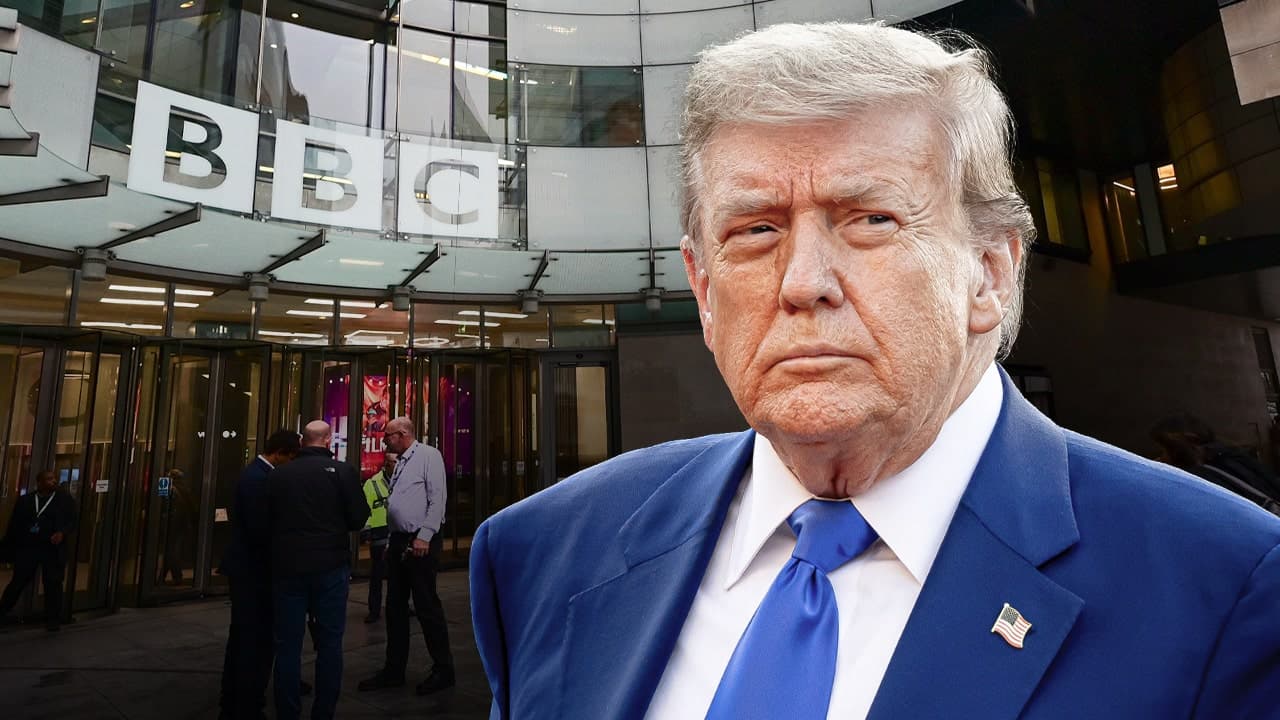
A federal judge has set important parameters in Trump's $10 billion lawsuit against the BBC over editorial decisions in a documentary, according to Yahoo! News. The ruling clarifies what disputes can be litigated in the case: the judge permitted the network to defend its editorial choices regarding how Trump's January 6 speech was portrayed, but prohibited the case from becoming a broad referendum on the Capitol riot itself. This distinction matters significantly for Miami's business community, as it establishes legal precedent for what constitutes actionable media misconduct versus editorial discretion.
For Miami-based executives and entrepreneurs, this case underscores the importance of understanding media liability law when dealing with press coverage. The ruling suggests courts will scrutinize specific editorial practices—such as selective editing or misleading presentation—rather than allowing lawsuits to challenge the underlying facts being reported. This framework protects news organizations while potentially exposing them to liability for demonstrable distortions, a balance that affects how local business leaders should approach media relations and crisis communications.
As Florida's business community continues to attract national attention and media scrutiny, this precedent reinforces that companies should focus legal challenges on concrete editorial misconduct rather than disagreement with coverage interpretation. Miami business leaders should consult with media law specialists to understand how these evolving standards might apply to their own reputation management strategies and press engagement.