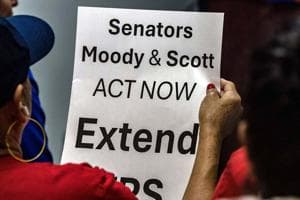
According to Construction Dive, a one-year federal appropriations bill under consideration in the House would significantly reduce funding for public transportation systems across the nation. The proposal cuts general transit funding by 22%, slashes Amtrak support by 69%, and eliminates 78% of Capital Investment Grants for the 2027 fiscal year—changes that could reverberate through regional transit authorities nationwide, including those serving the Miami metropolitan area.
For Miami-Dade County and Broward County transit agencies, which rely on federal matching funds for major infrastructure projects, these cuts could complicate long-term planning. Both counties have been pursuing rail expansion, bus rapid transit corridors, and connectivity improvements tied to regional economic development. Reduced federal support may force local agencies to seek alternative funding mechanisms or scale back ambitious transit initiatives designed to support growing residential and commercial districts.
The appropriations bill does direct what it describes as 'a historic amount of funding' toward bridge infrastructure and repairs, suggesting lawmakers are prioritizing road-based transportation over rail and public transit alternatives. This shift could influence how Miami-area developers and planners approach mixed-use and transit-oriented projects, potentially making car-dependent infrastructure more competitive with transit-oriented development models.
Business leaders and developers in South Florida should monitor the legislative outcome closely. Changes to federal transit funding could affect property valuations near planned transit corridors, influence commercial real estate investment decisions, and shape the region's competitive position for attracting businesses that prioritize walkability and public transportation access. The outcome may also impact hiring and operational costs for companies dependent on an accessible workforce across Broward and Miami-Dade counties.