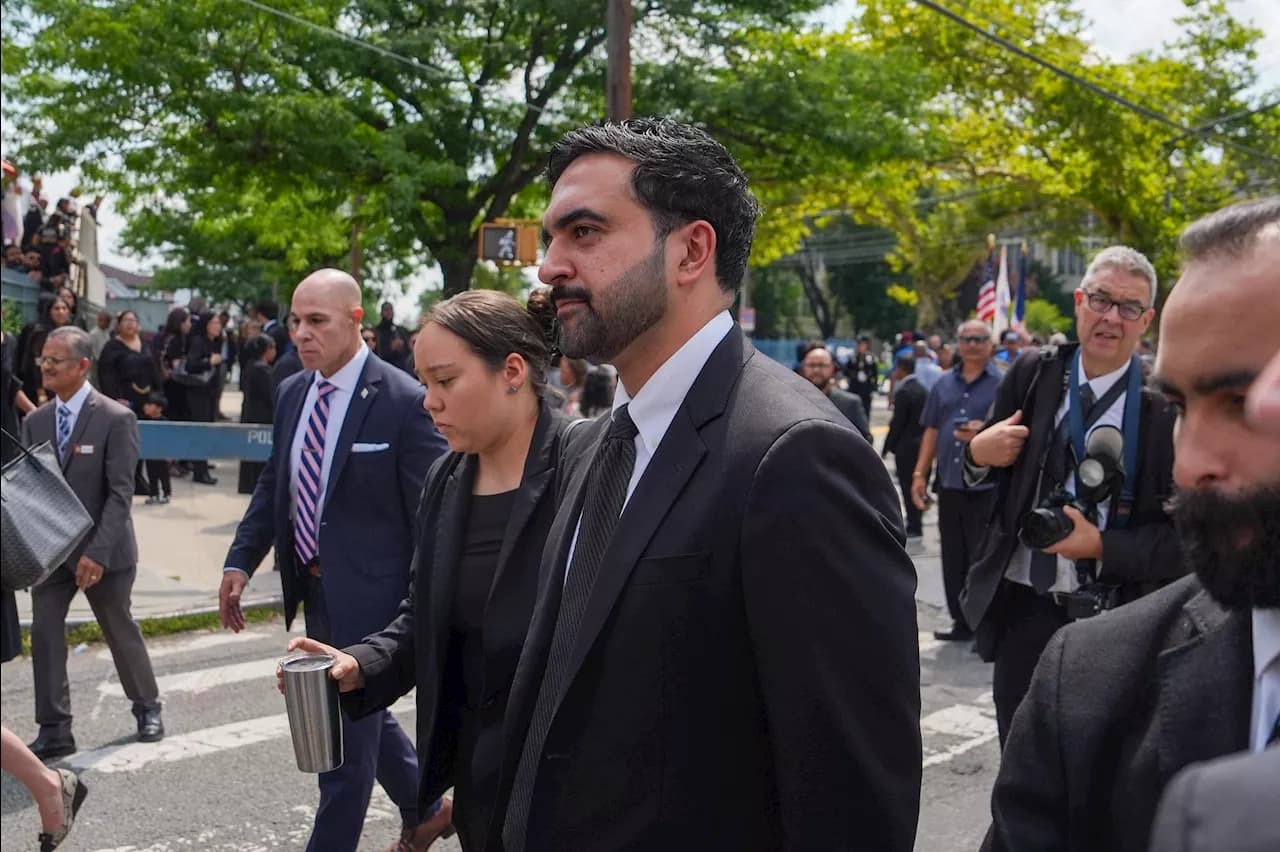
Photo via Wlrn
Florida is moving to establish its own higher education accrediting body, a significant departure from the traditional role of independent accrediting agencies that have historically maintained distance from political pressures. According to WLRN, this move represents an escalation in the state's ongoing efforts to exert greater control over university policies and curricula. For Miami-area businesses that rely on Florida's universities—particularly FIU and UM—to develop talent pipelines, the implications of this shift warrant close attention.
Accrediting agencies have traditionally served as buffers between academic institutions and political influence, ensuring that educational standards remain evidence-based rather than ideologically driven. The creation of a state-controlled accreditor challenges this long-standing model, raising concerns among education leaders about the politicization of higher learning. South Florida's growing tech, healthcare, and professional services sectors depend on graduates trained through rigorous, apolitical academic standards—a consideration that directly affects regional competitiveness.
Business leaders in Miami should monitor how this regulatory shift unfolds, as it could influence everything from curriculum quality to institutional reputation. Universities' accreditation status affects their ability to attract federal research funding and top faculty, both critical for the innovation ecosystem that supports South Florida's economic growth. The business community may need to engage in this policy conversation to ensure that workforce development remains grounded in educational excellence rather than political priorities.