Photo via Arcamax
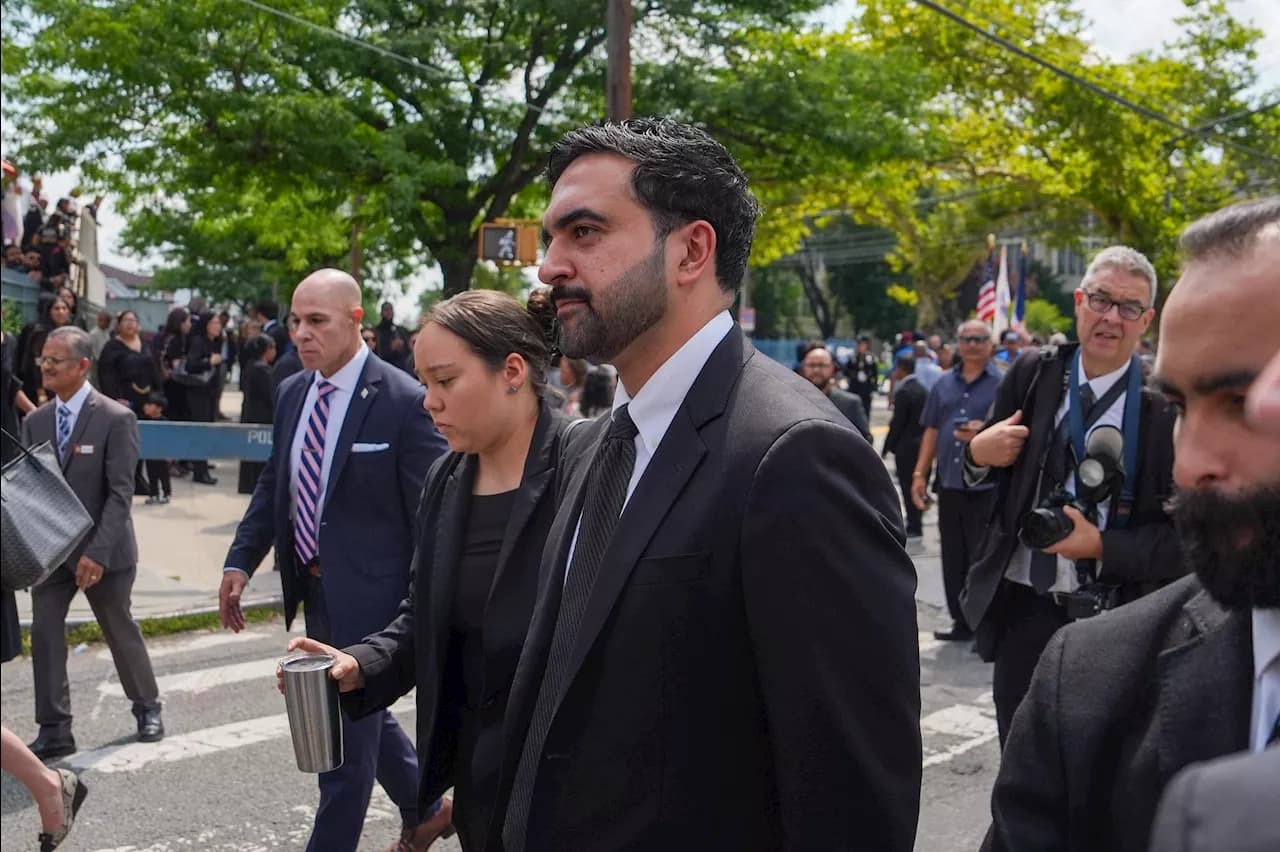
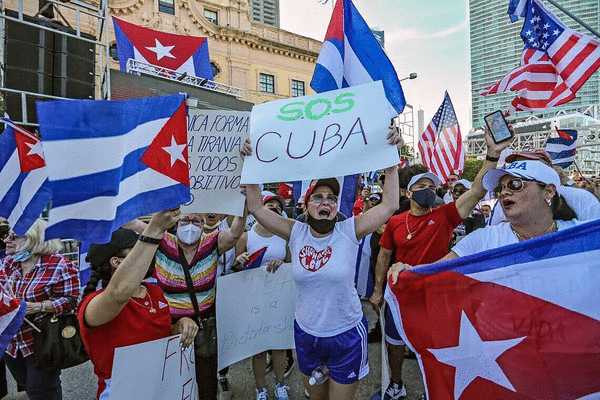
Miami's Cuban-American community, long a pillar of conservative politics in South Florida, is experiencing a notable generational rift. According to Arcamax, younger Cuban-Americans in the Miami area are increasingly departing from the traditional political positions held by their parents and grandparents. This divergence reflects broader demographic and ideological changes within a community that has historically wielded significant influence over local and state politics.
The shift has emerged particularly in family settings across Miami neighborhoods like Kendall West, where differing viewpoints on contemporary political issues create tension between generations. Younger Cuban-Americans cite distinct priorities and policy perspectives shaped by their American upbringing, contrasting sharply with the Cold War-influenced worldview of their immigrant ancestors. This intergenerational debate carries implications for Miami's political organizing, campaign strategy, and the region's electoral influence at state and national levels.
For Miami business leaders and policymakers, understanding this demographic realignment is critical. The political preferences of younger Cuban-American voters—now representing an increasingly significant voting bloc—influence consumer behavior, workforce participation, and community investment decisions. As this generational transition continues, Miami's business community should recognize how evolving political perspectives among the region's largest ethnic demographic may reshape local priorities around economic policy, education, and development initiatives.