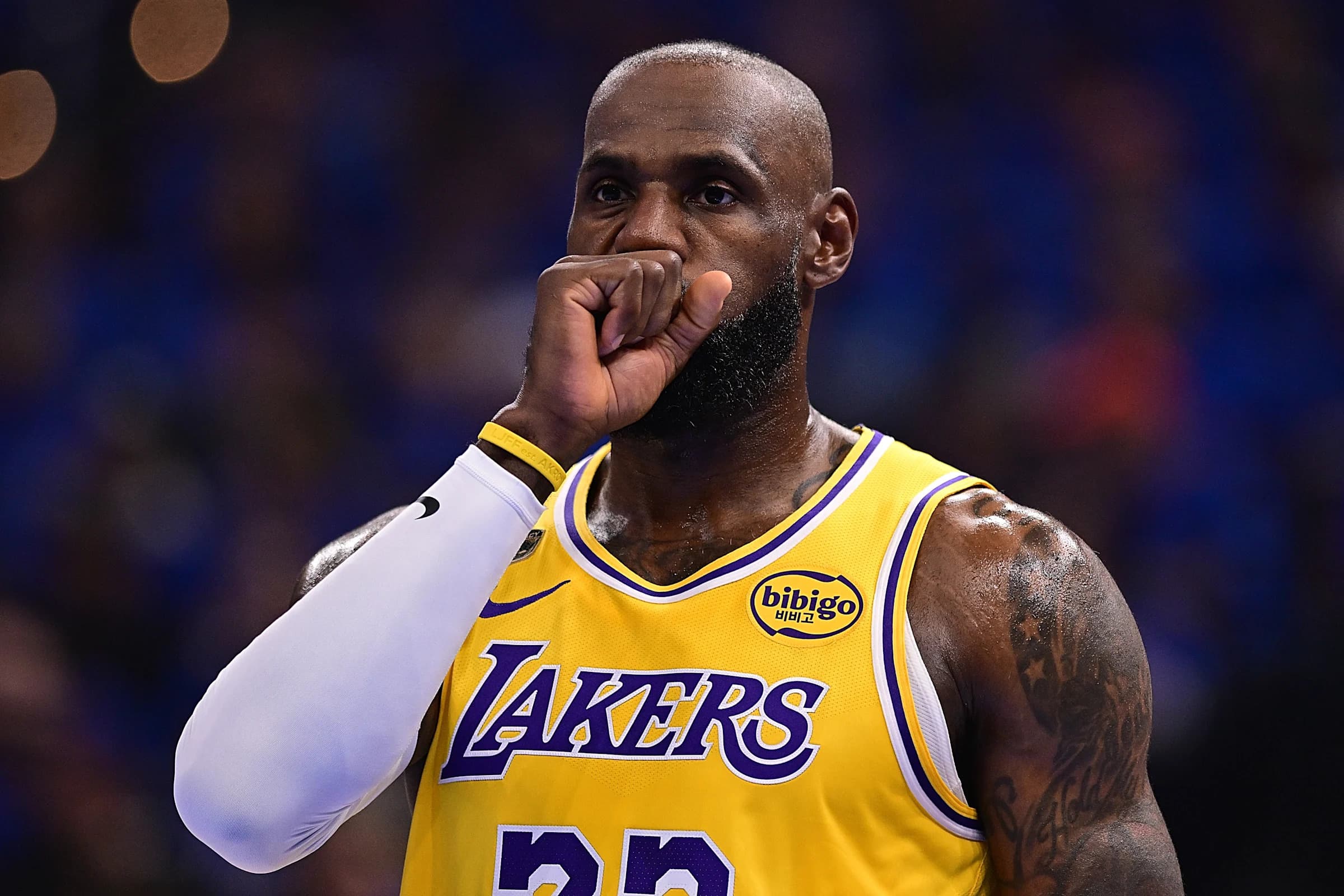
Photo via Yahoo! News
The Los Angeles Lakers' offseason has spotlighted a critical business management challenge: how organizations handle fan and stakeholder sentiment when marquee assets depart. According to Yahoo! News, the team's significant roster moves have stirred debate among the fanbase, with some supporters questioning the direction of the franchise as it undergoes restructuring around new talent.
For Miami business leaders, the Lakers' situation mirrors real-world corporate transitions. Whether managing employee departures, leadership changes, or strategic pivots, organizations must balance acknowledging stakeholder concerns while maintaining focus on long-term vision. The Lakers' strategy of building around emerging talent mirrors corporate succession planning—difficult decisions that can alienate some constituencies while positioning the company for future growth.
The broader lesson extends to any Miami-based sports franchise, entertainment company, or major employer: transparent communication and consistent messaging help stakeholders understand strategic decisions, even unpopular ones. When organizations can articulate how transitions serve long-term objectives, they're better positioned to retain loyalty and credibility through periods of significant change.