Photo via Afro American Newspapers
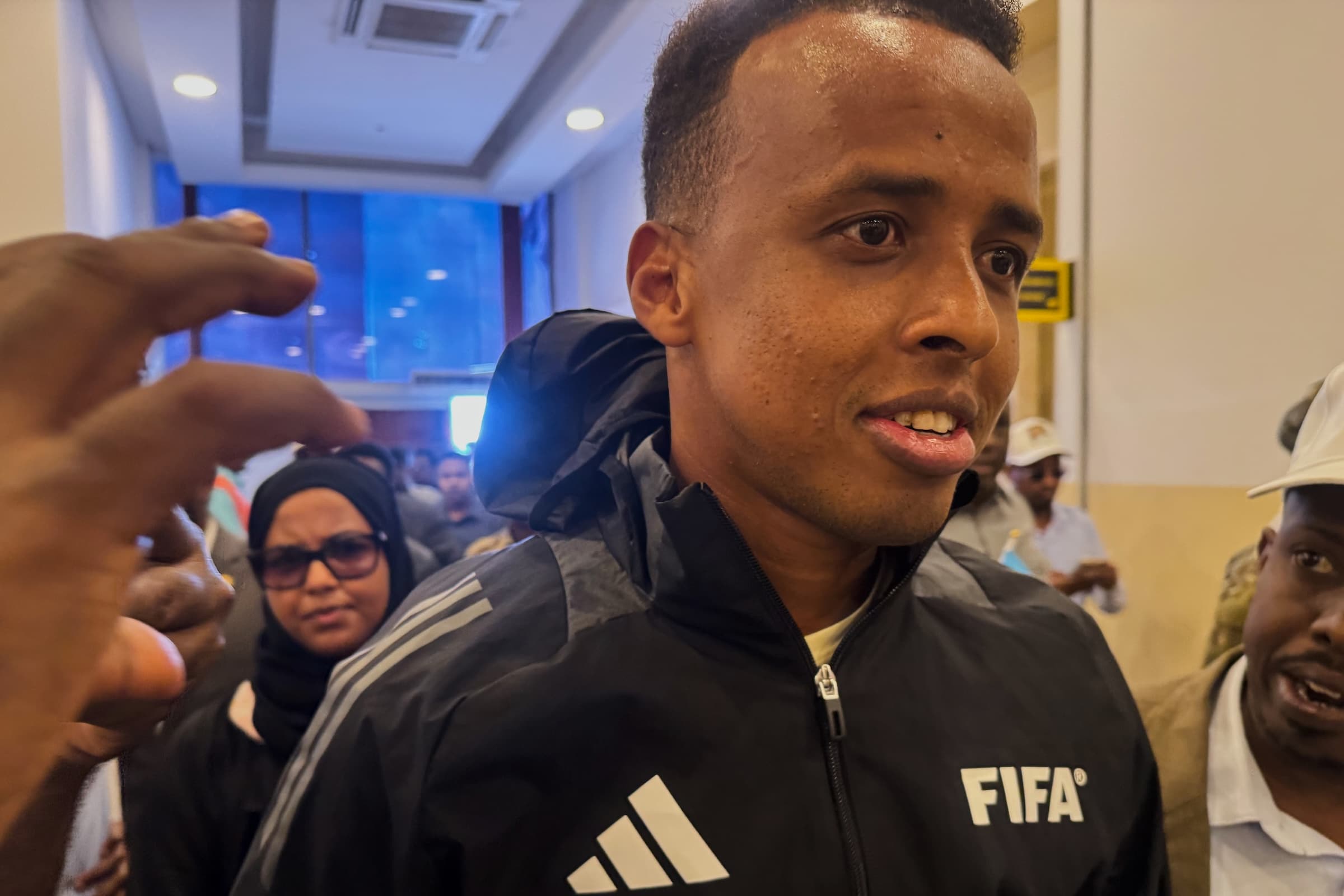
Major international sporting events like the World Cup generate significant media attention and promise economic stimulus, yet the actual benefits to host cities often fail to materialize as promised. According to analysis from the Afro American Newspapers, the costs of infrastructure, security, and event management frequently outweigh the returns, leaving local communities with long-term financial burdens. For Miami, which has experience hosting marquee events, this raises important questions about whether public resources dedicated to hosting global tournaments might be better allocated to local economic development and workforce initiatives.
The World Cup's four-year cycle creates enormous pressure on host nations to modernize facilities and infrastructure, costs that typically fall on taxpayers rather than event organizers or international governing bodies. Cities like Miami, with competing demands for investment in transportation, housing, and business development, must carefully evaluate whether hosting such events aligns with strategic economic priorities. The opportunity cost of diverting capital toward temporary sporting infrastructure merits serious consideration from local business leaders and policymakers.
As Miami continues positioning itself as a global business hub, decisions about hosting major events should be tied directly to measurable outcomes for the business community and residents. Rather than accepting hosting responsibilities by default, Miami's leadership should demand that international sporting organizations demonstrate clear, long-term economic benefits before committing public resources. This pragmatic approach protects local business interests while still allowing the region to participate selectively in global events that truly serve Miami's economic development agenda.